


Ginger benefits get talked about loosely, which is a shame, because this is one of the few kitchen ingredients with genuinely decent randomised trial evidence behind it.
The strongest findings are for nausea and for osteoarthritis pain. A meta-analysis of randomised trials in osteoarthritis found ginger reduced pain and disability, and a pooled analysis of trials in surgical patients found it eased nausea. The compounds behind it are the gingerols, and trial doses usually sit around 1g a day.
Key takeaways
- Nausea is where ginger's evidence is firmest, across pregnancy, surgery, and motion.
- For osteoarthritis, pooled trials show a real but modest reduction in pain.
- The gingerols in ginger are the active compounds, and drying the root changes them.
- Around 1g a day is the usual trial amount, and it's well tolerated at that level.

The ginger benefits with the strongest evidence
Nausea first, joint pain second, and everything else some distance behind.
Gingerols are defined as the pungent phenolic compounds in fresh ginger root, the ones responsible for its heat and for most of the effects that have been studied. When ginger is dried, gingerols convert to shogaols, which are sharper tasting and behave differently. That's one reason fresh root and ground powder aren't interchangeable.
The mechanisms studied are an effect on inflammatory signalling and an effect on the gut and on the receptors involved in nausea. Neither is exotic. Both have been looked at in people rather than only in a dish.
| Ginger claim | What the human evidence supports |
|---|---|
| Eases nausea and sickness | Good. Pooled trials in pregnancy and after surgery both show benefit |
| Reduces osteoarthritis pain | Moderate. A meta-analysis found a modest reduction in pain and disability |
| Helps digestion and bloating | Still developing. Trials on stomach emptying look promising |
| Eases muscle soreness after exercise | Early days. Small trials so far |
| Burns fat or boosts metabolism | No. Nothing in humans supports this |
Does ginger help with nausea?
This is the claim with the best evidence, and it holds up in more than one setting.
A meta-analysis of randomised trials of ginger for postoperative nausea and vomiting, published in the International Journal of Nursing Studies, pooled 14 trials covering 1,506 surgical patients. Nausea scores were significantly lower in the ginger groups at two, six, and twelve hours after the operation. The number of vomiting episodes and the use of anti-sickness drugs weren't significantly different, so the finding is specifically about nausea rather than about sickness overall.
Pregnancy is the other well studied setting, and it's where most people first hear about it. The NHS guidance on vomiting and morning sickness lists ginger among the things that may help with mild symptoms, alongside eating small frequent meals and avoiding triggers. It also says to contact your midwife or GP if you're being sick repeatedly or can't keep fluids down, which is the part that matters most.
Motion sickness and chemotherapy-related nausea have both been studied too, with a patchier picture. The pattern across all of it is consistent: a real effect, modest in size, and cheap to try.
Does ginger help joint pain?
Modestly, and the pooled evidence is better than most people expect.
A meta-analysis of randomised placebo-controlled trials of ginger in osteoarthritis, published in Osteoarthritis and Cartilage, pooled five trials covering 593 patients and found ginger reduced both pain and disability against placebo. The reviewers, based at the Parker Institute in Copenhagen with a co-author at the University of Nottingham, judged the evidence moderate quality and called ginger modestly efficacious and reasonably safe. Worth knowing alongside that: people taking ginger were more than twice as likely to stop treatment because of side effects.
That fits how ginger tends to be positioned: something to add alongside the things that actually move the needle for stiff, painful joints, rather than a substitute for them. For osteoarthritis, NICE guideline NG226 puts exercise and weight management first, and that ordering is worth respecting. There's more on this in turmeric for joints.
Ginger and turmeric are close botanical relatives, both rhizomes from the Zingiberaceae family, which is part of why they turn up together so often. They're studied separately, and the sensible reading is that they're complementary rather than duplicates.

How much ginger a day, and is it safe for everyone?
Around 1g a day covers most of the trials, and it's well tolerated, with a few people who should check first.
Most randomised trials use between 500mg and 2g of ginger a day, often split across doses. A thumb-sized piece of fresh root is roughly in that territory once grated. You don't need to be precise about it.
Side effects are usually mild: heartburn, a bit of stomach discomfort, occasionally wind. Larger amounts can affect clotting, so if you take anticoagulant medication such as warfarin, or you're due surgery, mention it to your GP or pharmacist. Anyone pregnant should keep to modest culinary amounts and follow the NHS advice above rather than reaching for a high-dose supplement.
The general point holds. Ginger is a food, it's been eaten for centuries, and the safety questions are about high-dose supplements and specific medications rather than about putting root in your cooking.
Where a daily ginger habit fits
Cooking is the easy half. The harder half is getting a consistent amount in, on the days you're rushing.
That's what our two ginger blends are for. Raw Turmeric & Ginger is the mobility one: a cold-crushed, whole watermelon-based blend at 15% ginger root and 15% raw turmeric root, with pomegranate, lemon, and pineapple, plus magnesium and vitamin C, and our trade-secret BioMax Uptake Blend®, which includes black pepper.
Raw Turmeric & XTRA Ginger is the one for ginger superfans. Ginger root goes to 30%, matching the watermelon, with raw turmeric root, coconut nectar, magnesium, and vitamin C, and a black pepper and chilli mix. It's a bigger hit of ginger, not a bigger hit of turmeric, so pick it on flavour.
The pepper matters more than it sounds. Curcumin is poorly absorbed on its own, and black pepper is what changes that.
The takeaway
Ginger is one of the better evidenced things in your kitchen. For nausea it's genuinely useful, for joint pain it's a modest help alongside exercise and whatever your GP has advised, and for the flashier claims there's nothing much to report.
Fresh root beats powder, because drying changes the gingerols. Regular beats occasional, because every trial that found something gave it daily for weeks.
If you want that without grating root at seven in the morning, a shot does it in ten seconds. Raw Turmeric & Ginger is the easy daily version, with raw turmeric root and black pepper already in the bottle.
If you're on anticoagulants, pregnant, or facing surgery, have the short conversation with your pharmacist or GP first.
Frequently asked questions
What are the main benefits of ginger?
Reduced nausea and a modest reduction in osteoarthritis pain are the two with pooled randomised evidence behind them. Digestive comfort and post-exercise soreness have been studied with mixed results. Claims about fat burning or metabolism have nothing solid behind them in humans.
How much ginger should I have a day?
Trials generally use between 500mg and 2g a day, and around 1g is the most common. A thumb-sized piece of fresh root grated into food or a drink is roughly in that range. Consistency across weeks matters more than hitting an exact number on any given day.
Is fresh ginger better than ground ginger?
For the studied compounds, yes. Fresh root is rich in gingerols, and drying converts much of that to shogaols, which are different compounds with a sharper taste. Ground ginger is excellent for baking and cooking. Fresh, or cold-crushed into a shot, is the better route if you're after the effects the trials measured.
Can ginger help with period pain?
Several small randomised trials have looked at ginger for menstrual pain and reported reductions comparable to common painkillers, though the trials vary in quality. Independent researchers also ran a pilot on our Raw Turmeric & Ginger shot with sub-elite female footballers taking one a day, and recorded physical symptom severity around 10% lower. That was six participants, so treat it as an early signal.
Does ginger interact with any medication?
In large amounts it may affect clotting, so tell your GP or pharmacist if you take anticoagulants such as warfarin, or if you have surgery coming up. It can also lower blood sugar slightly, which is worth mentioning if you're treated for diabetes. Culinary amounts are not usually the concern.
Can I take ginger and turmeric together?
Yes, and they're often combined for good reason. They're related rhizomes with separate bodies of research, so they complement each other rather than duplicate. Our Raw Turmeric & Ginger blend puts both at 15%, which is a straightforward way to get them together every day.

Raw Turmeric & Ginger Shot Box
Combining two ‘super roots’ in turmeric and ginger makes this a naturally potent shot combination.
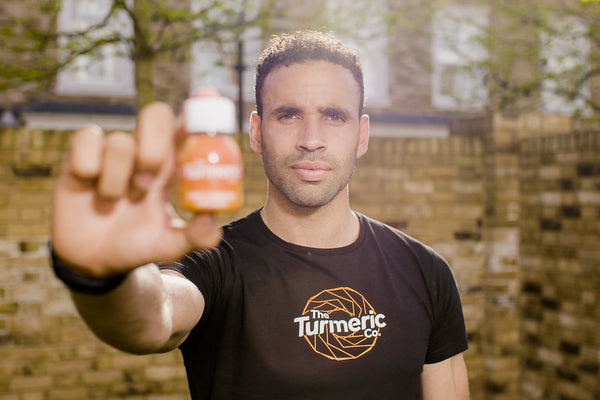
The Hal Robson-Kanu Guide To Fitness & Nutrition
Gain exclusive insight into habits that will make every day a healthy and fulfilling one.