


Vitamin C and D3 for immune support is the classic winter pairing on every shelf, and only one of the two comes with a national UK recommendation to supplement.
Vitamin D is the one UK adults are advised to top up. The NHS suggests a daily 10 microgram supplement through autumn and winter, because British sunlight is too weak from about October to March for your skin to make its own. Vitamin C is a different job, and you need it from food every day because your body can't store it.
Key takeaways
- Vitamin D3 is the supplement with national UK backing, and the advice is 10 micrograms a day through autumn and winter.
- Vitamin C supports normal immune function, but it doesn't stop you catching colds. It does shorten them slightly.
- Both work as part of a varied diet rather than as a rescue remedy taken at the first sneeze.
- More is not better with either. Vitamin D in particular has an upper limit worth respecting.
What do vitamin C and D3 for immune support each actually do?
They're the two nutrients with the clearest recognised roles in normal immune function, and they run short in opposite ways.
Vitamin C is water soluble. You use it, you lose it, and you need a fresh supply from food most days. Vitamin D is fat soluble and made in your skin from sunlight, which works beautifully in July and not at all in January at this latitude.
Vitamin D3, or cholecalciferol, is defined as the form of vitamin D your own skin produces in sunlight, and it's the form used in most supplements because it raises blood levels effectively.
The British Nutrition Foundation's guide to vitamins and minerals is a good reality check here. Several nutrients feed into normal immune function, vitamin A, zinc, copper, selenium, and iron among them, so a varied diet does more than any single supplement does alone.
What does the research say about vitamin D and infections?
That topping up a low level appears to help, and that a big occasional dose doesn't.
A systematic review and meta-analysis of individual participant data in the BMJ, pooling 25 randomised controlled trials, found vitamin D supplementation reduced the risk of acute respiratory infection overall. The protective effect showed up in people taking it daily or weekly, and not in those given occasional large bolus doses. The benefit was much larger in people who started out deficient.
An updated review in the Lancet Diabetes & Endocrinology, pooling 43 trials reached a similar conclusion, with a smaller overall effect once the newer studies were included. It also found the protective effect where vitamin D was taken daily at 400 to 1000 international units, which is the range the NHS advice sits in.
The practical reading is simple. If your level is low, and through a British winter plenty of people's are, a modest daily supplement is worth taking. If it's already fine, don't expect fireworks.
The NHS guidance on vitamin D sets the amount: 10 micrograms a day for adults and children over one, considered by everyone through autumn and winter, and year round for people who get little sun on their skin.
What does the research say about vitamin C and colds?
That it doesn't stop you catching one, and it takes a modest edge off how long it lasts.
The Cochrane review of vitamin C for preventing and treating the common cold, covering decades of trials, found regular supplementation didn't reduce how often adults in the general population caught colds. What it did do was shorten them by around 8% in adults and 14% in children, and reduce their severity.
Two details are worth carrying away. The effect came from taking it regularly, not from starting once symptoms arrived. And the exception was people under heavy physical stress, such as marathon runners and soldiers in extreme cold, where the picture on prevention looked different.
| Nutrient | What UK guidance says | What the trials support |
|---|---|---|
| Vitamin D3 | 10 micrograms daily, autumn and winter | Fewer acute respiratory infections, mainly if you were low to begin with |
| Vitamin C | 40mg a day from food for adults | Slightly shorter, milder colds when taken regularly, not fewer of them |
| Both together | Part of a varied diet | Sensible baseline cover, not a treatment |
The NHS page on vitamin C puts the adult requirement at 40mg a day, which is roughly one orange or a decent portion of peppers, broccoli, or blackcurrants. It also does the quieter jobs: helping protect cells, keeping skin and blood vessels healthy, and helping wounds heal.
Can you take too much?
Yes, and this is the part the marketing skips.
Very large doses of vitamin C mostly cause stomach ache, wind, and diarrhoea. Unpleasant, not dangerous, and it resolves when you stop.
Vitamin D is the one to respect, because it's fat soluble and builds up. The NHS advises adults not to exceed 100 micrograms a day from supplements. If you have a condition affecting how you handle calcium, or you take medication for your heart or blood pressure, get the amount checked with your GP rather than working it out from a label.
Anyone pregnant, breastfeeding, or on regular medication should run new supplements past a pharmacist first. That's a five minute conversation and it's free.
Where a daily shot fits
As the easy way to get a sensible amount of both, alongside food, without adding three more bottles to the cupboard.
Raw Turmeric & Vitamin C & D3 was built for exactly this window in the year. It's a cold-crushed, whole watermelon-based blend with raw turmeric root, ginger, pineapple, lemon, and pomegranate, carrying our Lipoturm© blend of vitamin C, vitamin D3, and vitamin E, and finished with our trade-secret BioMax Uptake Blend®, which includes black pepper and cinnamon.
That's the blend independent researchers tested with 23 professional footballers taking one a day through a season. The players on the shots recorded fewer days of upper respiratory illness than the control group, 3.9 versus 10.6 per 1000 player days. We funded the work and had no hand in the findings, it's a small study in young athletes, and we'd rather tell you that than oversell it.
The fruit isn't padding either. It carries the nutrients, brings vitamin C of its own, and makes raw root drinkable in one go.
There's more on how the wider habit fits together in turmeric for immunity, and on the winter side of it in turmeric for colds and flu.
The takeaway
If you do one thing this winter, make it the vitamin D. Ten micrograms a day, from October through to spring, is the best evidenced supplement decision available to most people in this country.
Vitamin C is worth having regularly rather than heroically, and food does that job well. A daily shot that carries both, plus raw turmeric root in a form your body can actually absorb, turns it into one habit instead of three.
Raw Turmeric & Vitamin C & D3, one a day with breakfast, is the simplest version of all this. Keep the vegetables coming and take the flu jab if you're offered it.
Frequently asked questions
Can I take vitamin C and vitamin D3 together?
Yes. They work in different ways and there's no interaction to worry about, which is why they're often combined in one product. Keep vitamin D to 10 micrograms a day unless your GP has advised otherwise, and get most of your vitamin C from food.
How much vitamin D should I take in the UK?
The NHS advises 10 micrograms a day for adults and children over one, and suggests everyone considers taking it through autumn and winter, when sunlight here is too weak to make your own. Some people need it year round, including anyone who covers up outdoors or rarely gets outside.
Does vitamin C stop you getting colds?
No. The Cochrane review of decades of trials found regular vitamin C didn't reduce how often people in the general population caught colds. It did shorten them by around 8% in adults and made them milder, and that benefit came from taking it consistently rather than starting when symptoms began.
Is vitamin D3 better than vitamin D2?
D3 is the form your skin makes in sunlight and it raises blood levels more effectively, which is why most supplements use it. D2 is the plant-derived form and still counts toward your intake. Our shots use D3.
When is the best time to take vitamin C and D3?
Whenever you'll remember. Vitamin D is fat soluble, so a meal helps, and most people find the morning easiest to stick to. Consistency matters far more than the hour on the clock.
Should children take vitamin D too?
UK guidance recommends a daily vitamin D supplement for babies and young children, and 10 micrograms a day for children over one through autumn and winter. Check the NHS advice for the amounts by age, and speak to your health visitor or GP if you're unsure.

Raw Turmeric Vitamin C & D3 Shot Box
Our Raw Turmeric Vitamin C & D3 drink is a powerful tropical-flavoured shot to help support immunity and deliver an energy boost when you most need it
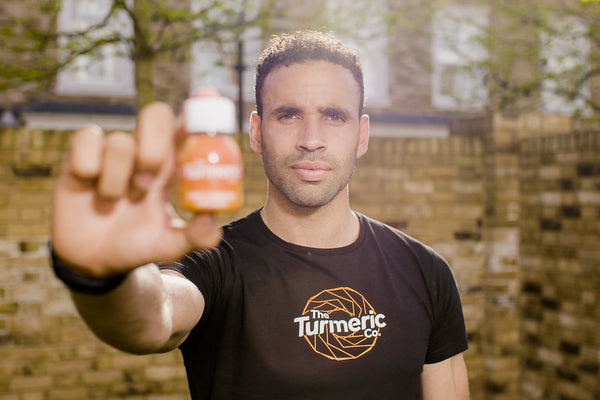
The Hal Robson-Kanu Guide To Fitness & Nutrition
Gain exclusive insight into habits that will make every day a healthy and fulfilling one.