


Turmeric for colds and flu is a winter search that peaks every October, usually somewhere between the first cough of the season and the second box of tissues.
Adults catch two to three colds a year on average, and most clear up within a week or two without treatment. No supplement changes that timetable much. What turmeric offers is a daily habit with real research behind its effect on inflammation, taken through the months when your routine slips.
Key takeaways
- A cold is a virus. Nothing you drink kills it, and antibiotics do nothing for it either.
- Turmeric's evidence is about inflammatory signalling, not about clearing infections.
- Vitamin C taken regularly shortens colds slightly. Starting it mid-cold doesn't.
- Flu is not a bad cold. If you're eligible for the NHS vaccine, that's the highest value thing on this page.
Does turmeric for colds and flu actually work?
There's no trial showing turmeric shortens a cold, and there is decent evidence that it acts on the inflammatory processes that make you feel rotten while you have one.
That distinction is worth holding onto, because it's where most winter wellness copy quietly overclaims. Curcumin, the main active compound in turmeric root, is studied for lowering inflammatory markers such as C-reactive protein. Feeling wretched with a cold is largely your own inflammatory response at work, not the virus itself doing damage.
The honest position is that turmeric is a habit you keep through the season rather than a remedy you reach for on day two. The evidence is still developing on infection specifically, and the mechanism is a reasonable one.
We do have our own contribution. Independent researchers ran a study in 23 professional footballers taking one Raw Turmeric & Vitamin C & D3 shot a day through a competitive season. The players on the shots recorded 3.9 days of upper respiratory illness per 1000 player days against 10.6 in the control group. We funded that work and had no part in the analysis. It's small, it's in young athletes under heavy training load, and it's the most encouraging thing we have.
What is actually going on when you get a cold?
A cold is defined as an infection of the nose and throat caused by any of more than two hundred viruses, most often a rhinovirus, which your immune system clears on its own within one to two weeks.
The NHS guidance on the common cold is refreshingly plain about this. Rest, fluids, paracetamol or ibuprofen if you need them, and time. Antibiotics do nothing, because there's no bacterium to kill.
Flu is a different illness. It arrives fast, it flattens you, and it carries real risk for older people and anyone with a long-term condition. The NHS flu vaccine is free for a long list of people including everyone aged 65 and over, pregnant women, carers, and adults with certain health conditions. Taking it is worth more than every supplement in this article combined.
| What people try in winter | What the evidence supports |
|---|---|
| Flu vaccination if eligible | The strongest single intervention available |
| Vitamin D through autumn and winter | Fewer acute respiratory infections, especially if you were low |
| Vitamin C taken regularly | Colds around 8% shorter in adults, not fewer of them |
| A daily turmeric habit | Acts on inflammatory signalling, promising early findings on illness days |
| Turmeric started once you feel ill | No evidence it shortens a cold |
| Antibiotics for a cold | Nothing, and they carry their own risks |
What genuinely shortens a winter illness?
Sleep, fluids, and time, with a couple of nutrients making a modest difference at the margins.
The Cochrane review of vitamin C and the common cold found that taking it regularly shortened colds by about 8% in adults and 14% in children, and made them less severe. Starting once symptoms appeared didn't reliably help, which is an argument for a steady daily habit rather than a panicked trip to the chemist.
Vitamin D is the other one worth acting on. Pooled data from 25 randomised controlled trials in the BMJ found daily or weekly vitamin D reduced the risk of acute respiratory infection, with the biggest effect in people who started deficient. The NHS advises a 10 microgram daily supplement through autumn and winter, which covers most of us in a British winter.
Everything else is comfort, and comfort counts. Warm drinks, honey for a cough, a hot bath, an early night. Ginger is a genuinely nice thing to drink when your throat hurts, and the gingerols in it are what give it that warming bite.
How to build a winter habit that survives January
Attach it to something you already do, keep it small, and don't wait until you feel ill to start.
The reason most winter routines collapse is that they're built for the version of you that has time in October, not the version staggering through a dark February morning. One thing, once a day, in the same slot, is the format that survives.
Most people find the morning works best. Kettle on, shot down, done, and it takes ten seconds.
And keep going on the good days. That's the part people get wrong with anything taken for immunity: the trials dose daily regardless of how participants felt, which is the opposite of how a bottle of something usually gets used at home.
Raw Turmeric & Vitamin C & D3 is the one designed for this stretch of the year, and the blend those footballers took. It's a cold-crushed, whole watermelon-based shot with raw turmeric root, ginger, pineapple, lemon, and pomegranate, carrying our Lipoturm© blend of vitamin C, vitamin D3, and vitamin E, with our trade-secret BioMax Uptake Blend®, which includes black pepper and cinnamon.
If you want more on the nutrients themselves, we've written vitamin C and D3 for immune support. For the wider picture, start with turmeric for immunity.
The takeaway
Nothing here beats the boring answer. Get the vaccination if you're eligible, take vitamin D through the dark months, sleep properly, and let a cold run its course when it comes.
Turmeric belongs in the layer above that. A daily shot won't stop a virus at the door, and it gives you a well-studied ingredient in a form your body can absorb, taken consistently through the season when everything else slips. Our own trial in footballers is the most promising signal we have, and we'd rather show it with its caveats than dress it up.
Start with Raw Turmeric & Vitamin C & D3, one a day from October, and treat it as the easy part of a winter that also involves early nights.
See your GP if a cough lasts more than three weeks, if you're short of breath, if a fever won't settle, or if you're getting worse rather than better after a week.
Frequently asked questions
Does turmeric help when you have a cold?
There's no trial showing turmeric shortens a cold. Its research is on inflammatory signalling, which is what makes you feel rough while your body clears the virus. It works better as a daily habit through the season than as something you start on day two of a cold.
Should I take turmeric or vitamin C when I feel a cold coming on?
Neither does much started at that point. The Cochrane evidence on vitamin C shows the benefit comes from taking it regularly beforehand, not from a big dose once symptoms arrive. Rest, fluids, and paracetamol or ibuprofen if you need them will serve you better on the day.
Is turmeric good for flu?
Flu is a serious illness and turmeric is not a treatment for it. If you're eligible for the free NHS flu vaccine, that's the intervention with real evidence behind it. Contact NHS 111 or your GP if you're struggling to breathe, if symptoms suddenly worsen, or if you're in a higher risk group.
Can turmeric and honey help a sore throat?
A warm drink with honey genuinely soothes a sore throat and can ease a cough, and the NHS suggests it. Turmeric adds flavour and warmth to that. Just don't confuse the comfort of the drink with a dose of curcumin, since powder in hot water is for flavour rather than function.
How long should a cold last?
Most colds clear within one to two weeks, with the worst of it in the first few days. A cough can hang around longer. See your GP if symptoms drag past three weeks, if you have chest pain or breathlessness, or if you feel worse after starting to improve.
Can I take a turmeric shot every day through winter?
That's exactly how it's meant to be used, and how the trials dose it. Turmeric is generally well tolerated, with mild digestive upset the most common complaint. If you're on blood thinners, have gallbladder problems, or are pregnant, check with your GP or pharmacist first.

Raw Turmeric Vitamin C & D3 Shot Box
Our Raw Turmeric Vitamin C & D3 drink is a powerful tropical-flavoured shot to help support immunity and deliver an energy boost when you most need it
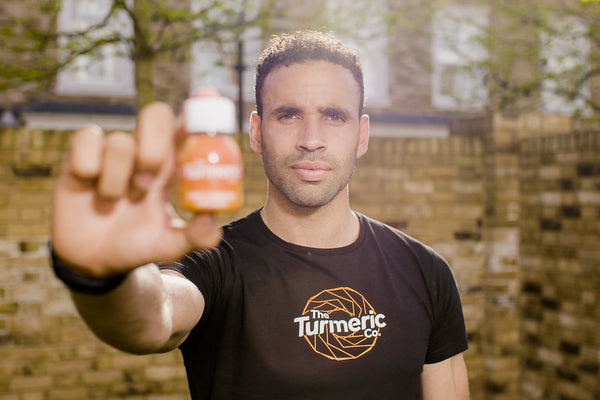
The Hal Robson-Kanu Guide To Fitness & Nutrition
Gain exclusive insight into habits that will make every day a healthy and fulfilling one.