


Muscle fatigue, that heavy, weak, "I have got nothing left" feeling, is your body's way of telling you it has hit a temporary limit.
It sets in when the systems that power your muscles run low on fuel, build up metabolic by-products and take on a little damage, and in most cases it is a completely normal, recoverable part of exertion.
The fix is rarely to push harder, it is to recover properly, with rest, refuelling, hydration and the nutrients involved in normal muscle function.
Here is what is actually happening inside a tired muscle, and how to bounce back faster.
What muscle fatigue actually is
Muscle fatigue is not one single thing, which is partly why it can feel so different from day to day.
At the muscle itself, hard work burns through stored fuel, particularly glycogen, the carbohydrate your muscles keep in reserve, and the immediate energy currency your cells run on. As those stores deplete, force production drops and the muscle simply cannot fire the way it did at the start.
On top of that, intense effort creates a build-up of metabolic by-products and a small amount of muscle damage, both of which contribute to that worn-out, achy sensation.
There is also a "central" side to fatigue: your brain and nervous system play a part too, dialling down your drive to keep going as a protective measure. Put together, fatigue is your body's smart, layered way of stopping you before you do real harm.

Normal tiredness vs lingering fatigue
It helps to separate the two kinds of fatigue.
The first is the honest, satisfying tiredness after a good effort, your legs feeling like jelly after a long walk or a tough workout. This is acute fatigue, and with a bit of rest, food and sleep it resolves within a day or so. It is a sign you did something worthwhile, not a problem to solve.
The second kind is more concerning: fatigue that lingers for days, never quite lifts, or builds session after session. This often points to under-recovery, where the demands you are placing on your body consistently outpace the repair it can manage. Left unchecked, it drains performance, mood and motivation, and in active people it can tip into the territory of overtraining. The remedy is not more effort, it is more and better recovery.
The recovery levers that actually work
Bouncing back from fatigue comes down to a few well-established moves, and the research is reassuringly clear on them.
Refuelling is first: because fatigue is partly an energy story, getting carbohydrate back in helps restore the glycogen your muscles run on.
Rebuilding is second, with protein supplying the amino acids your muscles use to repair, and rehydration third, since even mild dehydration deepens that flat, sluggish feeling.
Timing and quality help too. A systematic review and meta-analysis on nutrition and post-exercise fatigue reported that getting protein and carbohydrate in after exercise supports faster recovery from fatigue, eases muscle soreness and helps replenish energy stores.
Plant proteins like lentils, beans, tofu, tempeh, nuts and seeds, paired with whole-food carbs such as oats, rice, quinoa, sweet potato and fruit, cover both jobs neatly. Layered on top of proper sleep and rest, these are the levers that genuinely move the needle.
The nutrients behind muscle function and energy
Beyond the big macronutrients, several vitamins and minerals are closely involved in how muscles work and how tired you feel.
Magnesium is a standout: it plays a recognised role in normal muscle function and in reducing tiredness and fatigue, and it is found in leafy greens, nuts, seeds, wholegrains and beans. We dig into this in our guide to magnesium and muscle function.
Others matter too...
Vitamin C supports the reduction of tiredness and fatigue and helps protect cells from the oxidative stress exercise generates, while the B vitamins are involved in turning food into usable energy.
Iron, which carries oxygen to working muscles, is worth particular attention. Good sources include:
- Lentils
- Beans
- Tofu
- Pumpkin seeds
- Dark leafy greens, ideally eaten with vitamin C to aid absorption.
A varied, colourful plate tends to supply this whole supporting cast at once, which is part of why we favour real food over isolated synthetic pills.

Where turmeric and adaptogens come in
Once the foundations are in place, a couple of plant ingredients have research worth knowing about. Turmeric's active compound, curcumin, has been studied for easing post-exercise soreness and supporting recovery, and reviews report it may reduce muscle soreness and markers of damage, helping you feel less battered between efforts.
Ashwagandha is another interesting one.
This traditional adaptogenic herb has been studied in the context of physical performance and recovery, and a meta-analysis reported improvements in cardiorespiratory fitness, with broader reviews noting it may support recovery and resilience to physical stress.
The evidence base is younger and smaller than for protein or carbohydrate, so it is best framed as a promising support rather than a sure thing, but it is a credible addition to a recovery toolkit.
Building a fatigue-resistant routine
The most fatigue-resistant bodies are not the ones that train hardest, they are the ones that recover best.
That means building load gradually rather than lurching between heavy effort and total collapse, fuelling consistently with plant-based food, prioritising sleep, and giving fatigued muscles the rest they need to rebuild rather than grinding them down.
Turmeric and ashwagandha fit naturally into that picture as daily, whole-food support. Our Raw Turmeric Original Shot Box keeps raw turmeric in your routine, while our Raw Turmeric & Ashwagandha Shot Box pairs it with ashwagandha, both as fresh, cold-pressed shots rather than processed tablets.
Used alongside the basics, they are an easy way to support how your body handles physical demand.

When fatigue is a red flag
One responsible note to finish on - most muscle fatigue is a normal response to exertion that resolves with good recovery.
But fatigue that is persistent, severe, or unrelated to how much you are doing is worth taking seriously, as it can occasionally point to something that needs attention, such as low iron, thyroid issues or other underlying causes.
If your tiredness does not lift with rest and good habits, that is a conversation for your GP, not a supplement label. For everyday, exertion-related fatigue, though, recover well and your muscles will thank you for it.

Raw Turmeric Original Shot Box
Our Original Turmeric Shot packs a real punch thanks to a whopping 35g of fresh raw turmeric root used to make each shot.
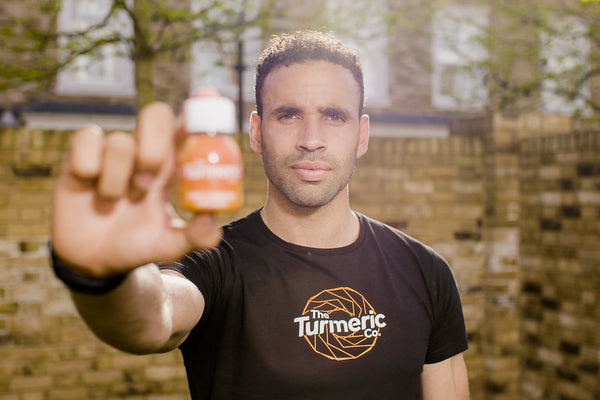
The Hal Robson-Kanu Guide To Fitness & Nutrition
Gain exclusive insight into habits that will make every day a healthy and fulfilling one.