


When most people think of collagen, they think of skin — smooth, youthful, and firm. But beneath the surface, collagen plays a far greater role.
It’s not just a beauty buzzword; it’s a biological foundation that underpins how we move, feel, and function every single day.
From joint flexibility to bone strength, collagen is the protein that keeps our bodies connected - literally.
What is collagen and why is it essential?
Collagen is the most abundant protein in the human body, accounting for nearly a third of all protein content. It forms the connective tissue that holds everything together — from skin, muscles, and tendons to cartilage and bones.
There are at least 28 different types of collagen, but the most common are:
-
Type I: Found in skin, tendons, and bones — responsible for firmness and structure.
-
Type II: Found in cartilage — crucial for joint cushioning and mobility.
-
Type III: Found in skin, muscles, and blood vessels — supports elasticity and strength.
As we age, collagen production slows down. From around the mid-twenties, levels can decline by up to 1% each year, leading to visible skin ageing, slower recovery, and stiffer joints. That's why it's important to be mindful of the collagen you consume - prevention is better than cure.
Collagen’s role beyond skin deep
1. Joints and movement
Collagen makes up a major part of cartilage (the smooth, rubbery tissue that cushions joints!) It helps maintain flexibility and reduce friction during movement. Studies have shown that supporting collagen synthesis can help maintain joint comfort and mobility as we age.
2. Bone strength
Bones aren’t just made of minerals - around 30% of bone is collagen. It provides the framework for calcium and other minerals to bind to, giving bones their flexibility and tensile strength. Without adequate collagen, bones can become more brittle over time.
3. Muscles and recovery
Collagen supports the structure of muscles and tendons. Amino acids like glycine, proline, and hydroxyproline (which are all found in collagen) are essential for tissue repair and recovery after exercise or injury.
4. Gut and metabolic health
Collagen’s amino acid profile also supports the gut lining, helping to maintain barrier integrity. Emerging research suggests that adequate collagen synthesis may support healthy digestion and nutrient absorption.
The challenge with traditional collagen supplements
Most collagen supplements on the market in the UK are made from animal sources — bovine or marine collagen. These provide protein, but your body still has to break them down into amino acids before rebuilding them into human collagen.
That means not all of it is used efficiently, and the quality can vary significantly depending on source, purity, and processing.
For truly high-quality collagen support, what matters isn’t the collagen itself, but whether your body gets the right amino acids and cofactors (like vitamin C and zinc) to produce collagen naturally.
Smarter collagen support from within
That’s where modern science has stepped in. VeCollal®, a patented plant-based ingredient, has been developed to precisely mirror the amino acid profile of human Type I collagen. Instead of relying on animal sources, it gives your body exactly what it needs to make collagen effectively.
When paired with antioxidants and vitamins, this approach supports:
-
Normal collagen formation for skin, bones, and cartilage
-
Reduction in tiredness and fatigue (thanks to vitamin C)
-
Normal function of skin, hair, and nails (supported by zinc)
The takeaway
Collagen isn’t just about smoother skin — it’s about whole-body wellbeing: strong bones, flexible joints, faster recovery, and sustained vitality.
The next generation of collagen supplements goes beyond beauty to target the systems that keep you moving and feeling your best.
Because when your body feels good, it shows.

Raw Turmeric & Pro-Collagen Shot Box
Our Raw Turmeric & Pro-Collagen drink is a powerful tropical-flavoured shot to help support immunity and deliver an energy boost when you most need it
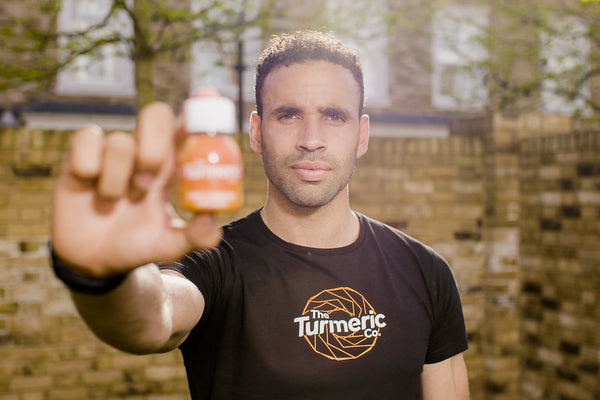
The Hal Robson-Kanu Guide To Fitness & Nutrition
Gain exclusive insight into habits that will make every day a healthy and fulfilling one.