


Beetroot benefits are one of the rare cases where a humble vegetable has a genuinely strong randomised trial behind it, and where the mechanism is well understood.
Most of it traces to dietary nitrate. A randomised trial at Queen Mary University of London gave 68 people with high blood pressure 250ml of beetroot juice a day for four weeks, and measured a fall of 7.7/2.4 mmHg in clinic blood pressure and 7.7/5.2 mmHg across 24 hours.
Key takeaways
- Beetroot's headline benefit is a real reduction in blood pressure, and it depends on taking it regularly.
- The active component is dietary nitrate, which your body converts to nitric oxide.
- Endurance performance is the other studied benefit, and the trials there use concentrated doses at specific timings.
- Pink or red urine after eating beetroot is harmless and surprisingly common.

The beetroot benefits with real evidence behind them
Blood pressure first, exercise performance second, and a long tail of claims with much less to show.
Dietary nitrate is defined as the naturally occurring nitrate found in vegetables, highest in beetroot, rocket, spinach, and celery, which your body converts in stages into nitric oxide. Nitric oxide relaxes the smooth muscle in blood vessel walls, so they widen. Wider vessels mean lower pressure and easier blood flow, and that single mechanism explains most of what beetroot is known for.
The conversion route is unusual and worth knowing. Bacteria on your tongue do the first step, turning nitrate into nitrite, which is why antibacterial mouthwash has been shown to blunt the effect in trial participants.
| Beetroot claim | What the human evidence supports |
|---|---|
| Lowers blood pressure | Good. A UK randomised trial found 7.7/2.4 mmHg over four weeks in hypertension |
| Improves endurance performance | Moderate. Pooled trials show a clear gain in time to exhaustion |
| Widens blood vessels and improves blood flow | Yes. This is the mechanism behind both of the above |
| Provides folate, manganese, and fibre | Yes, as a vegetable, and worth having for that alone |
| Detoxifies the liver or purifies the blood | No. Your liver and kidneys do that unaided |
Does beetroot lower blood pressure?
Yes, modestly, and the size of the effect is respectable for a food.
The trial above, funded by the British Heart Foundation, gave 250ml of beetroot juice daily to 68 adults with high blood pressure for four weeks, against a nitrate-free beetroot juice placebo. Clinic blood pressure fell by 7.7/2.4 mmHg and 24-hour ambulatory pressure by 7.7/5.2 mmHg, with no sign of the effect wearing off over the month. Endothelial function improved by around 20%, and arterial stiffness reduced.
The wider picture holds up. A systematic review and meta-analysis from Newcastle University, pooling 16 randomised trials of inorganic nitrate and beetroot juice, found a significant reduction in systolic blood pressure of 4.4 mmHg, and a dose-response relationship: the more nitrate a day, the bigger the drop. Diastolic pressure moved less consistently.
Your body doesn't store nitrate, so this is an effect that depends on regular intake rather than one that banks up.
Context matters here. High blood pressure often has no symptoms at all, which is why the NHS guidance on high blood pressure urges adults over 40 to get it checked at least every five years. If yours is high, the things that move it most are salt, weight, alcohol, activity, and where needed medication. Beetroot is a useful addition to that list, not a replacement for any of it, and you should never stop prescribed medication because a vegetable is doing well in trials.

Does beetroot help exercise performance?
Modestly, and the trials use concentrated doses at specific timings rather than a slice of beetroot in a salad.
A meta-analysis in the International Journal of Sport Nutrition and Exercise Metabolism pooled 17 nitrate supplementation trials and found a moderate benefit in how long people could keep going before exhaustion. Effects on time-trial performance were smaller and less certain. The mechanism is the same nitric oxide route: better blood flow to working muscle, and more efficient use of oxygen.
The gains show up most reliably in recreational rather than elite athletes, and they were clearest where nitrate was taken daily for several days beforehand rather than as a single dose on the day. We've covered that properly in beetroot for endurance, including what the timings actually look like.
For everyday nutrition rather than race day, the British Nutrition Foundation guidance on fruit and vegetables is the sensible frame. Beetroot counts toward your five a day, brings folate, manganese, potassium, and fibre with it, and belongs in a varied diet rather than in a category of its own.
Is beetroot safe, and why does it turn your wee pink?
It's a vegetable, so the answer is yes for almost everyone, with two curiosities and one genuine caution.
Beeturia, the pink or red urine that follows a decent portion of beetroot, affects a large minority of people and is entirely harmless. It's the betalain pigments passing through. It can be alarming the first time, and it's worth knowing about so you don't panic.
The real caution is kidney stones. Beetroot is high in oxalate, so if you've had calcium oxalate stones, keep portions moderate and take your GP's advice. People on nitrate-based heart medication should also mention beetroot juice to their doctor, since the mechanisms overlap.
Beyond that, the usual: it stains everything, and it's fine to eat every day.
Where a daily shot fits
As the way to make it a habit, since the blood pressure effect only holds while you keep it up.
Raw Turmeric & Beetroot is our performance blend. It's a cold-crushed, whole watermelon-based shot with beetroot at 19%, pomegranate, ginger root at 13%, lemon, and raw turmeric root at 10%, plus vitamin C and thiamine, finished with our trade-secret BioMax Uptake Blend®, which includes black pepper. Thiamine contributes to normal energy-yielding metabolism, and vitamin C to the reduction of tiredness and fatigue.
It's built as a daily shot rather than as a race-day nitrate load, so treat it as the everyday habit and use the protocols in our endurance article if you're targeting a specific event.
The turmeric side of it earns its place too. Independent researchers at Nottingham Trent University ran the first clinical trial of these blends with elite footballers, two Raw Turmeric Original a day, and found lower inflammatory markers and less soreness after matches. We funded the work and had no hand in the findings, and it's a small study in young athletes.
The takeaway
Beetroot has one strong claim and it's a good one. Regular intake nudges blood pressure down through dietary nitrate, and the effect is real enough to have been measured properly in a randomised trial in people with hypertension.
The catch is the word regular. Stop for a fortnight and you're back where you started, which makes this an ingredient that rewards a routine rather than an occasional salad.
That's exactly the job Raw Turmeric & Beetroot does. Beetroot at 19% alongside raw turmeric root, ginger, and black pepper, in a ten second habit you can keep up on the mornings you'd never get round to juicing.
Get your blood pressure checked, keep taking whatever your GP has prescribed, and treat this as one of the good things you add on top.
Frequently asked questions
How much beetroot do I need for the blood pressure effect?
The London randomised trial used 250ml of beetroot juice a day, roughly a large glass, and measured a 7.7/2.4 mmHg fall in clinic blood pressure after four weeks. A pooled analysis of 16 trials found systolic pressure dropped further the more nitrate people took. Whole cooked beetroot counts too, and the practical answer is a daily habit rather than an exact measure.
Is beetroot juice better than eating beetroot?
Juice concentrates the nitrate, which is why the trials use it, and whole beetroot brings fibre that juice loses. For blood pressure the research is mostly on juice. For general nutrition, eat the vegetable. Doing both is entirely reasonable.
Why has beetroot turned my urine pink?
That's beeturia, caused by the betalain pigments beetroot contains. It affects a sizeable minority of people, it's harmless, and it passes within a day or two. If you're seeing blood in your urine rather than a pink tinge, or it happens without beetroot, see your GP.
Can I eat beetroot every day?
Yes, for most people, and daily is exactly how the blood pressure trials dosed it. Two groups should take care: anyone who's had calcium oxalate kidney stones, since beetroot is high in oxalate, and anyone on nitrate-based heart medication, who should mention it to their doctor.
Does beetroot really improve exercise performance?
A pooled analysis of 17 trials found a moderate improvement in how long people could sustain exercise before exhaustion, with smaller and less certain effects on time trials, and the clearest results in recreational rather than elite athletes. The protocols load nitrate over several days, so a slice in a salad on the day is not the same intervention.
Does cooking destroy the nitrate in beetroot?
Boiling leaches some nitrate into the water, so roasting or eating it raw and grated keeps more of it. The differences are modest, and any beetroot you'll actually eat regularly beats the theoretically optimal preparation you won't.

Raw Turmeric & Beetroot Shot Box
This Turmeric Shot fused with Beetroot is a real powerhouse of a shot.
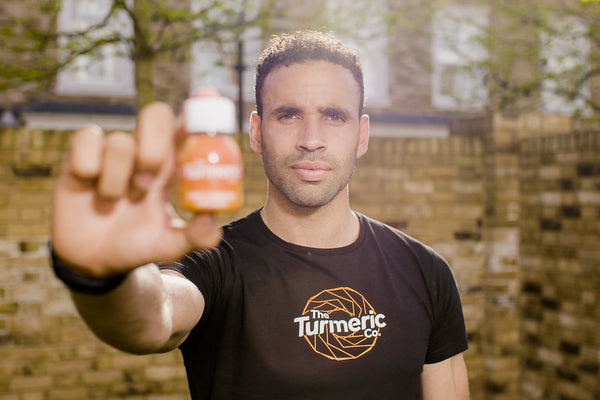
The Hal Robson-Kanu Guide To Fitness & Nutrition
Gain exclusive insight into habits that will make every day a healthy and fulfilling one.