


Reaching for a ginger shot for sore throat relief is one of the most common winter instincts there is, and it deserves a straighter answer than most of the internet gives it.
A ginger shot will not cure a sore throat, and nothing sold in a chiller cabinet will. What genuinely helps is simpler and duller: fluids, rest, and a salt water gargle. The NHS advice on sore throats is that most clear up within 7 days without antibiotics, which usually neither relieve symptoms nor speed recovery.
Key takeaways
- Most sore throats are viral, resolve in about a week, and don't need antibiotics.
- The NHS-recommended basics are salt water gargles, plenty of fluids, and cool or soft foods.
- A warm ginger drink helps by being warm, soothing, and hydrating, which is a modest but genuine role.
- For winter more broadly, vitamin D matters more than most supplements in a British autumn and winter.
- See a pharmacist or GP if a sore throat lasts beyond a week, keeps returning, or comes with a very high temperature.
Does a ginger shot for sore throat pain actually work?
Not as a treatment, no. As part of a soothing routine while your immune system does the work, it earns its place.
Let's be precise about what the evidence supports. The randomised trial evidence for ginger sits in nausea and in joint pain, not in sore throats. There is no equivalent body of human trials showing a ginger shot shortens a sore throat or clears an infection, and any brand telling you otherwise is filling a gap in the research with confidence.
What ginger does bring is heat and aroma, and warmth is not nothing when your throat hurts. A ginger drink encourages you to sip, and sipping keeps you hydrated, which is the first thing the NHS asks you to do.
What does the NHS actually recommend for a sore throat?
Salt water gargles, plenty of fluids, cool or soft foods, and pharmacy painkillers if you need them.
This is worth setting out properly, because it's more effective than anything on a supplement shelf. NHS guidance is to dissolve half a teaspoon of salt in a glass of warm water, gargle, and spit it out rather than swallow. It's not suitable for children. Alongside that: drink plenty of water, eat cool or soft foods, suck ice cubes or ice lollies, and avoid smoking and smoky places.
Antibiotics are not normally part of it. As the NHS puts it, they usually won't relieve your symptoms or speed up your recovery, and they're reserved for the cases where a pharmacist or GP judges them necessary. A pharmacist can assess a sore throat and supply treatment where it's needed, without an appointment.
| Sore throat routine | What it does |
|---|---|
| Salt water gargle | NHS-recommended self-care, eases soreness directly |
| Plenty of fluids | Keeps the throat from drying, the first thing to get right |
| Cool or soft foods, ice lollies | Numbs and soothes without scraping |
| A warm ginger drink | Comfort, warmth, and a reason to keep sipping |
| Pharmacy painkillers | Manage the pain while the infection clears |
What about winter bugs more generally?
This is where the evidence gets more interesting, and where a daily habit does more than a rescue remedy.
Vitamin C is the one everybody reaches for, and the honest picture is better than the sceptics allow and narrower than the marketing claims. A Cochrane review pooling 29 trial comparisons in 11,306 people found that taking vitamin C regularly didn't reduce how often people in the general community caught colds. But it did shorten them, by around 8% in adults, and in 598 marathon runners, skiers, and soldiers on subarctic exercises, regular vitamin C roughly halved the risk of catching a cold at all.
That last finding is the one worth sitting with. In people under sustained physical stress, the effect was large. Taking it only once symptoms had started, on the other hand, did nothing consistent. It's a habit, not a rescue.
Vitamin D deserves more attention than it gets in this country. The NHS advice on vitamin D is that everyone should consider a daily 10 microgram supplement during autumn and winter, because from about October to March the UK sun isn't strong enough for your skin to make what you need. That's a national recommendation, not a supplement industry talking point.
Our own winter research, and what it tested
Independent researchers ran a study on 23 professional footballers taking one of our shots a day through a competitive season.
The finding was a marked difference in illness: the players on the shots recorded 3.9 days of upper respiratory illness per 1,000 player days against 10.6 in the control group, alongside less gut discomfort and a lower blood level of I-FABP, a marker released when the gut lining is under stress. We funded that work and had no part in the analysis. It's a small study in young athletes under heavy training load, rather than in the general public.
One detail matters for honesty here: the shot in that study was Raw Turmeric Vitamin C & D3, our immunity blend, not a ginger shot. Its Lipoturm© blend carries vitamin C, vitamin D3, vitamin E, and sunflower lecithin at 9%. If your interest is winter resilience rather than throat comfort, that's the blend the research actually sits behind.
When should you see a pharmacist or GP?
If it lasts more than a week, keeps coming back, or arrives with a very high temperature or difficulty swallowing.
Those are the signals to stop self-treating and get someone to look. The same applies if you have a weakened immune system, if you're taking medicines that affect it, or if you're worried for any reason you can't quite name. A pharmacist is the fastest route and doesn't need an appointment.
None of this changes if you're drinking ginger daily. A shot is a nice habit, not a diagnostic.
Where a ginger habit does fit
In the routine, not in the emergency.
The case for ginger through winter is the same as the case for it the rest of the year. Raw Turmeric & Ginger puts ginger root and turmeric root at 15% each in a cold-crushed watermelon base with magnesium and vitamin C, and Raw Turmeric & XTRA Ginger takes ginger to 30% for people who genuinely love the heat. Both include the black pepper mix we call BioMax Uptake Blend®, a trade-secret blend declared at 0.1%.
If you want more on the turmeric side of winter, our guide to turmeric for colds covers the season as a whole, and vitamin C and D3 for immune support goes into the nutrients properly.
The takeaway
For the sore throat itself, do the boring things: gargle salt water, drink plenty, eat cool foods, and see a pharmacist if it drags past a week. A ginger shot is not the treatment, and we'd rather tell you that than sell you a story.
For the winter around it, a daily habit beats a panic purchase every time. Raw Turmeric & Ginger is the easiest way we know to keep one going when it's dark at four o'clock and nobody feels like cooking.
Frequently asked questions
Does a ginger shot help a sore throat?
Not as a treatment. There's no trial evidence that ginger shortens a sore throat. It helps the way any warm, soothing drink does, by keeping you sipping and comfortable while the infection clears on its own.
What is the fastest way to soothe a sore throat?
Gargling half a teaspoon of salt in a glass of warm water, drinking plenty of fluids, and eating cool or soft foods. Ice lollies genuinely help. Pharmacy painkillers manage the pain while your body does the rest.
Should I take a ginger shot hot or cold?
Cold, if you want the compounds the research used. Heat converts gingerols into shogaols, so a hot drink is chemically different. For a sore throat specifically, warmth is the comforting part, so do whichever you'll actually finish.
Can ginger prevent colds?
There's no good trial evidence that it does. Regular vitamin C has been shown to shorten colds modestly, and to roughly halve them in people under extreme physical stress, which is a more specific claim than ginger can make.
Do I need a vitamin D supplement in winter?
NHS advice is that everyone in the UK should consider 10 micrograms a day during autumn and winter, because there isn't enough sun between October and March for your skin to make it. That advice applies whatever else you're taking.
When should I worry about a sore throat?
If it lasts more than a week, keeps returning, comes with a very high temperature, or makes swallowing difficult. Also if you have a weakened immune system. A pharmacist can assess it without an appointment and point you on if needed.

Raw Turmeric & Ginger Shot Box
Combining two ‘super roots’ in turmeric and ginger makes this a naturally potent shot combination.
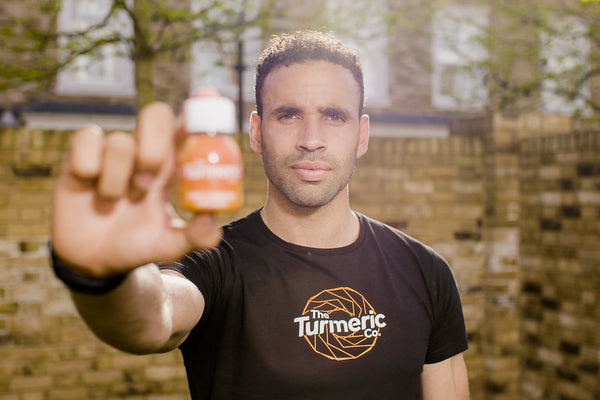
The Hal Robson-Kanu Guide To Fitness & Nutrition
Gain exclusive insight into habits that will make every day a healthy and fulfilling one.