


Wellness shots vs multivitamins is a comparison shoppers genuinely make in the aisle, usually with about thirty seconds and two confusing labels, so here is the version with the reasoning laid out.
They are not competing products. A multivitamin is insurance against nutritional gaps, spreading small amounts of many nutrients. A wellness shot is a concentrated delivery of one functional ingredient. NHS advice is that most people get what they need from a balanced diet, with one specific exception: vitamin D at 10 micrograms a day through autumn and winter.
Key takeaways
- A multivitamin covers many nutrients thinly. A shot delivers one ingredient concentrated.
- Only vitamin D carries a blanket NHS recommendation for adults in the UK.
- Neither replaces food, and both work better alongside a decent diet than in place of one.
- Multivitamins are far cheaper per day. Shots cost more and are easier to keep up with.
- The right answer depends on whether you are filling a gap or chasing a specific effect.
Wellness shots vs multivitamins: what is each one for?
One is breadth, the other is depth. Buying the wrong one for your goal is the actual mistake.
A multivitamin is designed as a safety net. It contains small amounts of many vitamins and minerals, usually at or near the reference intake, on the logic that if your diet is missing something, this covers it. It is not designed to produce an effect you can feel. If it is working, nothing happens, which is a difficult thing to sell and an honest thing to say.
A wellness shot works the other way. It concentrates one ingredient, turmeric, ginger, beetroot, or a specific vitamin blend, at an amount intended to do something particular: reduce nausea, support recovery, support endurance. It is not trying to cover your nutritional bases and it will not.
Buying a multivitamin hoping to feel different is usually a disappointment. Buying a wellness shot hoping to cover a poor diet is a category error.
| Multivitamin | Wellness shot | |
|---|---|---|
| Purpose | Cover possible gaps | Deliver one ingredient concentrated |
| Nutrients | Many, in small amounts | Few, or one, in larger amounts |
| Noticeable effect | Usually none, by design | Sometimes, depending on ingredient |
| Cost per day | Low | Higher |
| Storage | Cupboard, long shelf life | Fridge, short shelf life |
| Evidence base | Nutrient-specific, mostly for deficiency | Ingredient-specific, varies widely |
What does UK guidance actually recommend?
Vitamin D for everyone in autumn and winter. Beyond that, food first.
The NHS guidance on vitamins and minerals is the right starting point for a UK reader, and its position is consistent: most people can get the vitamins and minerals they need by eating a varied and balanced diet. Supplements are recommended where there is a specific reason.
The clearest of those reasons is vitamin D. NHS advice is that everyone should consider a daily 10 microgram supplement during autumn and winter, because between about October and March UK sunlight is not strong enough for your skin to make what you need. Folic acid in pregnancy is another specific case. Those recommendations are targeted, not blanket endorsements of supplementation.
This is the single most useful thing to know in the whole comparison, and it favours neither product particularly. If vitamin D is what you need, the cheapest tablet in the shop does the job.
Which has better evidence behind it?
That depends entirely on which nutrient or ingredient you mean, which is why the question is usually asked the wrong way round.
Multivitamins as a category have a modest evidence base for people who are already well fed, because you cannot correct a deficiency that is not there. The evidence for individual nutrients in people who are short of them is much stronger, and that is the useful distinction: nutrients work when they are filling a gap.
Wellness shots vary enormously by ingredient. Ginger has genuinely strong evidence for nausea. Dietary nitrate from beetroot has solid blood pressure and endurance evidence. Turmeric has good short-term joint pain evidence and a real but small effect on inflammatory markers. Some other ingredients in this category have almost nothing behind them.
So the honest answer is that neither format is inherently better evidenced. Ask what is in it, at what amount, and what that specific ingredient has been shown to do.
What about cost?
Multivitamins win on price by a wide margin, and it is not close.
We are not going to pretend otherwise. A year of supermarket multivitamins costs less than a fortnight of fresh shots. If your goal is nutritional insurance at the lowest price, that is the answer, and no amount of talking about cold-crushing changes it.
What you get for the difference is a fresh product rather than a compressed powder, one ingredient at a concentration that can plausibly do something, and a format most people find easier to keep up with. Whether that is worth it depends on whether you would actually take either.
Can you take both?
Yes, and for a lot of people that is the sensible answer.
They do not overlap much. A multivitamin covers the nutritional basics thinly; a shot delivers a functional ingredient. Taking both is not doubling up in any meaningful way, though it is worth checking you are not exceeding recommended amounts on any single nutrient if both contain it. Our blends differ in what they add: every one carries vitamin C, several add magnesium, and a few add zinc or a B vitamin. The Mixed Shot Box is the simplest way to see what each one actually carries. The exception worth reading carefully is Raw Turmeric Vitamin C & D3, which contains vitamins C, D3, and E, so check that one against a multivitamin label rather than assuming.
If you take prescription medicines, speak to your pharmacist or GP before adding either as a daily habit.
The takeaway
Wellness shots and multivitamins answer different questions. If you are worried about gaps in a patchy diet, a multivitamin is cheap, sensible, and unglamorous, and vitamin D through the British winter is the one recommendation everyone should act on. If you want a specific ingredient at an amount that might actually do something, that is what a shot is for.
For the second job, ours are turmeric led and built on fresh, whole-crushed fruits. The Mixed Shot Box is the straightforward way to work out which ingredient you are actually after before committing to one.
Frequently asked questions
Are wellness shots better than multivitamins?
Neither is better in general, because they do different jobs. A multivitamin thinly covers many nutrients as insurance. A shot concentrates one ingredient to produce a specific effect. Match the product to what you actually want.
Do wellness shots contain vitamins?
Some do, and some do not. Ours carry added vitamin C and magnesium in most blends, and vitamins C, D3, and E in the immunity one. Check the label, since a shot named after a root may contain no added vitamins at all.
Can I take a wellness shot instead of a multivitamin?
Only if the shot actually contains the nutrients you were relying on the multivitamin for, at comparable amounts. Most do not. Read both labels rather than assuming one substitutes for the other.
Do I need a multivitamin at all?
NHS advice is that most people get what they need from a varied and balanced diet. The clear exceptions are vitamin D through autumn and winter for everyone, and folic acid in pregnancy. Beyond that it depends on your diet.
Which is better value for money?
Multivitamins, comfortably, if you are measuring cost per nutrient. Shots cost considerably more and buy you freshness, concentration of a single ingredient, and a format many people find easier to sustain.
Can you take a multivitamin and a wellness shot together?
Generally yes, since they overlap little. Check you are not exceeding recommended amounts of any nutrient present in both, particularly fat-soluble vitamins, and ask your pharmacist if you take prescription medicines.

Mixed Shot Box
Our customers’ favourite and the perfect way to introduce our turmeric shots into your daily life.
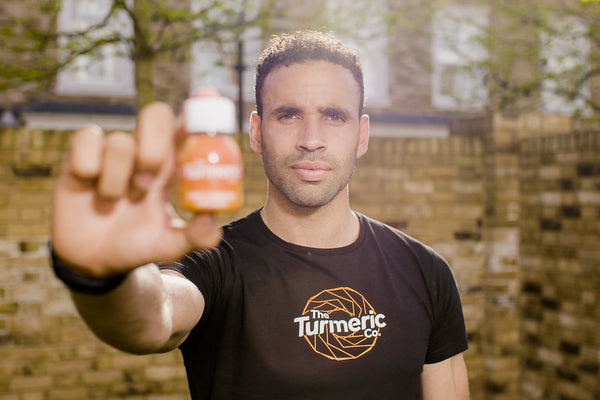
The Hal Robson-Kanu Guide To Fitness & Nutrition
Gain exclusive insight into habits that will make every day a healthy and fulfilling one.