


You've laced up your trainers, checked the weather, and mapped your route. But have you thought about what's actually fuelling those legs?
Most runners focus heavily on training plans, footwear, and pacing - and rightfully so! But pre-run nutrition is one of the most overlooked tools in a runner's arsenal. Get it right and you'll feel stronger for longer. Get it wrong and you'll be battling heavy legs, brain fog, and that dreaded energy crash before you've hit your stride.
Here's what the science (and nature) have to say about fuelling your runs properly.
Your body on a run: what's actually happening
When you run, your body draws primarily on glycogen - the stored form of carbohydrates - for energy.
After about 60 minutes of endurance-based exercise, glycogen stores in the muscles will begin to deplete without replenishment. This is the point where many runners "hit the wall": legs suddenly feel like concrete, focus slips, and every step becomes a negotiation.
The good news? This is largely preventable with smart, whole-food fuelling.
Timing is everything
What you eat before a run depends on how long you'll be running. Eating the wrong foods, or not fuelling enough, can cause stomach cramps or lead to fatigue well before you're ready to stop.
Here's a simple framework:
2–4 hours before a longer run: Eat a proper meal including slow-release carbohydrates. This gives your body time to digest and convert food into usable energy without the risk of mid-run stomach upset. Try a bowl of oats topped with nut butter and a sliced banana for some pre-run energy.
45–60 minutes before: Keep it light and carb-focused. Something easily digestible that tops up your glycogen stores without sitting heavy.
Running first thing in the morning? Even a small snack is better than nothing. Your glycogen stores will have dipped overnight, and running on empty — especially for anything over 30–40 minutes — means your body has to work harder for less output.

The best plant-based pre-run foods
Nature provides some of the most effective running fuel on the planet, and you don't need to look further than your kitchen.
- Bananas are the classic for good reason. Rich in fast-releasing natural sugars and potassium (which supports muscle function and prevents cramping), they're gentle on the stomach and require zero prep. Perfect 30–60 minutes before a run.
- Oats are ideal for a 2–3 hour pre-run window. Timing your nutrition far enough in advance allows your body to digest and utilise nutrients without digestive issues mid-run, and helps maximise muscle glycogen stores. A bowl of porridge with a drizzle of raw honey or a handful of berries gives you sustained energy without a blood sugar spike.
- Medjool dates are nature's energy gel - packed with natural glucose and fructose for rapid, usable energy. A couple of dates 20–30 minutes before a run can make a real difference, especially when you don't have time for a full meal.
- Sweet potato (eaten 2–3 hours beforehand) is an excellent complex carbohydrate source, providing steady energy release and a good dose of beta-carotene, which supports immune function — important for runners who train consistently.
- Smoothies can bridge the gap beautifully if your stomach doesn't tolerate solid food before exercise. Blend a banana, frozen mango, a tablespoon of nut butter, and plant-based milk for a balanced, easily absorbed pre-run fuel.
What to avoid before you run
Equally important is knowing what not to eat before heading out.
High-fat foods slow digestion significantly, and high-fibre foods - while excellent at other times of day - can cause bloating and discomfort when you're mid-stride.
Keeping fat and fibre intake low in the pre-run meal helps ensure adequate time for digestion and absorption.
Anything ultra-processed - energy bars loaded with additives, artificial sweeteners, or unrecognisable ingredients - should be avoided. If you can't trace it back to something that grew in the ground, it's probably not your best pre-run choice as it may disturb your gut (especially if you haven't eaten it before!)
A note on natural supplements
For runners who train regularly, there are a handful of natural supplements worth knowing about - not in tablet or pill form, but as raw, whole-food sources your body can actually absorb effectively.
Magnesium
Often depleted through sweat, magneisum plays a crucial role in muscle contraction and relaxation, nerve function, and sleep quality (which directly impacts recovery). Rather than reaching for poor quality synthetic supplements, look to magnesium-rich whole foods like pumpkin seeds, dark leafy greens, and cacao.
Adaptogens
Ashwagandha and rhodiola have been used for centuries to support the body's response to physical stress. Clinical trials have found that ashwagandha can support cardiorespiratory endurance and recovery in athletes. For endurance runners, they may help reduce perceived exertion and support adrenal health over time.
Beetroot
Research consistently shows that the naturally occurring nitrates in beetroot can improve oxygen efficiency during exercise, helping you run further with less effort. Cold-pressed whole raw beetroot (not a synthetic nitrate supplement) is the way to go - ideally consumed 2–3 hours before your run.
Hydration: the often-forgotten pre-run essential
You can eat perfectly and still underperform if you're dehydrated. Even a 2% drop in hydration can meaningfully affect endurance performance.
Start hydrating well before your run — not just in the final minutes. Sip water consistently throughout the day and consider adding a pinch of natural mineral salt or coconut water in the hours before a longer effort to support electrolyte balance. This is particularly important in warmer months or if you're a heavy sweater.

The bigger picture
Pre-run nutrition isn't about perfecting a rigid formula - it's about listening to your body, experimenting during training (never on race day), and building consistent habits that support how you want to feel when you run.
Real-food sources of key nutrients should always come first, and what works for one runner may take a little adjusting for another.
The runners who feel best out there aren't necessarily the ones with the most expensive kit or the most sophisticated training plans. Often, they're simply the ones who've learned to take their nutrition as seriously as their mileage.
Start there, and the rest tends to follow.
Want to know more about fuelling your body the natural way? Explore our range of the best raw turmeric shots designed for people who take their wellness seriously - in every stride.

Raw Turmeric & Beetroot Shot Box
This Turmeric Shot fused with Beetroot is a real powerhouse of a shot.
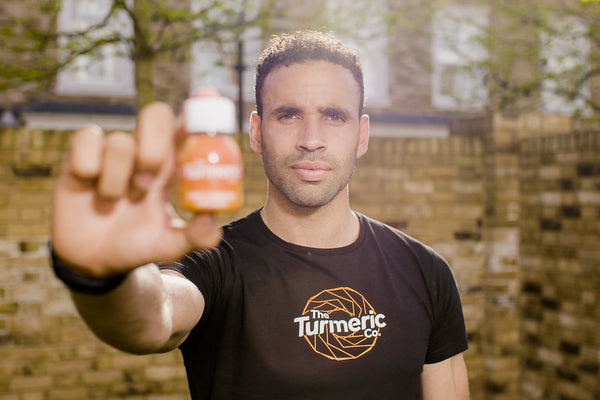
The Hal Robson-Kanu Guide To Fitness & Nutrition
Gain exclusive insight into habits that will make every day a healthy and fulfilling one.