


Inflammation gets a bad reputation. But for runners, it's not the enemy. It's a signal.
Understanding what it actually does, and when it becomes a problem, is one of the most useful things you can know heading into marathon training.
In this blog, we're breaking down what inflammation actually is, why it matters during marathon training, and how your nutrition, particularly plant-based foods, can help your body keep up with the demands of a long training block.
What is inflammation?
When you run, you create small amounts of damage in your muscles and connective tissue. Your body responds by sending blood, nutrients, and repair cells to the affected area.
This is how you get stronger - the damage happens, the body repairs it, and you come back a little more capable than before.
Acute inflammation, the kind that follows a hard session, is a normal part of that process. Without it, adaptation wouldn't happen.
When does inflammation become a problem?
Chronic inflammation is a different story.
When training load builds up without enough recovery time, the body doesn't get the chance to fully reset between sessions. That's when runners start to feel it. Symptoms can feel like:
- Persistent soreness that doesn't shift.
- Joints that feel stiff in the morning.
- Niggles that sit just below the threshold of injury but never quite go away.
Left unmanaged, this is one of the most common reasons runners either get injured or arrive at the start line already worn down. But fear not, there are simples ways to prevent this from happening that you can weave into your everyday routine.

Can nutrition help with inflammation?
Training and rest are the obvious levers when it comes to running your best. But what you eat plays a bigger role than most runners realise.
Plant-based foods are a tried and tested way of supporting the body during periods of heavy training. They're rich in the vitamins, minerals, and antioxidants your body draws on most heavily when training load is high. Aim for:
- Leafy greens (spinach, kale, lettuce)
- Berries (strawberries, blueberries, raspberrieS)
- Nuts, seeds, and legumes (almonds, chia seeds, walnuts, chickpeas, lentils)
Turmeric is another plant-based ingredient that frequently comes up in this context. It's been used for thousands of years across traditional medicine practices, and in recent years it's attracted significant scientific interest.
Researchers have been exploring the properties of curcumin, the active compound found in turmeric, and its potential role in supporting the body during periods of physical stress.
It's also worth thinking about what foods to avoid after running.
Heavily processed foods, refined sugars, and alcohol can all interfere with the body's repair process in the hours after a session. Keeping post-run nutrition clean and plant-focused gives your body the best environment to recover properly!

Hydration and inflammation
Hydration is another factor that quietly influences inflammation levels.
When you're even slightly dehydrated, your body has a harder time transporting nutrients, clearing waste products, and regulating inflammation effectively. Over time, this can compound the feeling of fatigue and soreness between sessions.
Alongside water, natural sources of electrolytes like coconut water, watermelon, and citrus fruits can help restore balance more effectively than ultra-processed sports drinks. It's a simple shift, but one that supports both performance and recovery in a more sustainable way.
The bigger picture
You don't need to overhaul everything. Small, consistent habits make the biggest difference.
Prioritise sleep. Build proper recovery into your training plan. Eat to support repair, not just performance. A diet built around whole, plant-based foods gives your body a broad base of nutrients to work with throughout a long training block.
Inflammation is part of running - it always will be! But it doesn't have to be the thing that holds you back.

Raw Turmeric & Beetroot Shot Box
This Turmeric Shot fused with Beetroot is a real powerhouse of a shot.
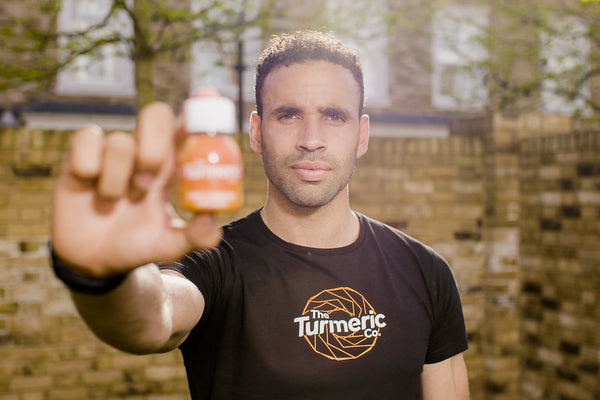
The Hal Robson-Kanu Guide To Fitness & Nutrition
Gain exclusive insight into habits that will make every day a healthy and fulfilling one.