


Most people think of collagen as something you take once the signs of ageing appear - when fine lines surface, or when joints feel a little less flexible than they used to.
But a growing area of skincare and wellbeing science flips this thinking on its head.
It’s called collagen banking, and it’s not about reacting to ageing, but preparing for it.
What collagen banking really means
Just like financial banking, collagen banking is built on one idea: what you put in now, you depend on later.
From your mid-twenties, your natural collagen levels begin to decline gradually. This process is slow but cumulative, influencing everything from the firmness of your skin to the fluidity of your joints decades down the line.
Collagen banking is the practice of building strong collagen habits before the visible changes arrive. It means supporting the biological processes that maintain collagen today, so you have healthier reserves tomorrow.
It’s proactive ageing, not corrective ageing.
Why timing matters
Collagen fibres have a slow turnover rate. This means your skin and connective tissues rely heavily on the collagen you produce and protect over long periods of time.
By your 30s and 40s, the cumulative effects of lifestyle, diet, sunlight, and stress start to show. But the groundwork for that change was laid years before.
Collagen banking shifts the focus to the years when collagen decline begins — when small, consistent support can make the biggest long-term difference.
How your daily habits affect your collagen “balance”
Collagen banking isn’t about supplements alone. In fact, the strongest impact often comes from lifestyle patterns that protect collagen from unnecessary loss. These include:
Sun exposure
UV light accelerates collagen breakdown faster than almost any other factor. Daily SPF is, essentially, a collagen-saving deposit.
Sleep quality
Collagen synthesis peaks at night during cellular repair. Fragmented sleep can lower how much new collagen is produced.
Dietary patterns
Highly processed, high-sugar diets increase glycation - a process that stiffens collagen fibres and makes them less functional.
Stress
Elevated cortisol has been shown to slow collagen renewal in the skin and connective tissues.
Each of these behaviours either “withdraws” from or “adds to” your long-term collagen balance.

Why collagen banking is gaining attention in the UK
As more people look for long-term, evidence-based ways to support ageing well, collagen banking is becoming a framework for:
-
maintaining joint comfort over time
-
supporting skin structure before decline accelerates
-
reducing the need for reactive treatments later
-
staying active and resilient into later life
It’s not a beauty trend — it’s a longevity strategy.
Where collagen support fits into the picture
While lifestyle provides the foundation, many people also add targeted nutritional support to their routine. The body doesn’t store collagen itself, but it does respond well to:
-
the right amino acids for collagen formation
-
vitamin C for collagen synthesis
-
zinc for normal protein and tissue structure
Rather than “more collagen”, collagen banking focuses on giving the body the conditions and building blocks it needs to do what it's already designed to do: maintain strong, flexible, resilient tissue.

Collagen banking is simple: small, intentional habits today can reinforce your skin, joints, and connective tissues for years. It’s not about fighting ageing — it’s about supporting your body’s natural processes so they remain efficient for as long as possible.
Whether someone starts in their mid-twenties or later in life, the principle stays the same: invest early, stay consistent, and let your future self benefit from the compound effect .
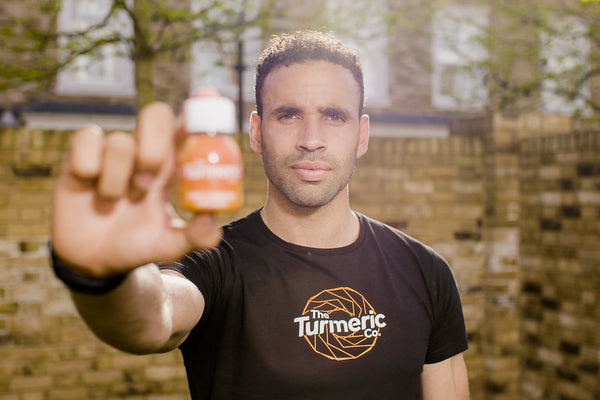
The Hal Robson-Kanu Guide To Fitness & Nutrition
Gain exclusive insight into habits that will make every day a healthy and fulfilling one.