


Collagen is often talked about as the protein for glowing skin, healthy joints, and strong connective tissue — but there’s a deeper story that rarely gets told.
Beneath the surface, collagen has a quiet but meaningful relationship with immune health, one that goes far beyond beauty benefits.
Rather than thinking of collagen as a cosmetic extra, it’s worth seeing it for what it truly is: part of the body’s infrastructure. And like any good infrastructure, it plays a role in how well our internal systems (including immunity) function day to day.
Collagen as the body’s repair material
Whenever the body experiences stress, illness, training load, or everyday wear and tear, the immune system coordinates the response. But once that response happens, something needs to rebuild the tissue that’s been affected. That “something” is collagen.
Collagen provides the structural proteins required for efficient recovery, meaning the immune system isn’t left doing all the work on its own. The better supported these repair pathways are, the more balanced and resilient the immune response becomes.
Why the connective tissue network matters
It’s easy to underestimate the role connective tissues play in immune health. They aren’t just passive structures holding everything together. They provide:
-
A physical barrier that helps the body defend itself
-
Support for organs involved in immunity, including the lymphatic system
-
A stable environment for immune cells to travel, communicate and respond
When collagen levels decline - through ageing, stress, or lifestyle - these systems can become less efficient. Restoring and maintaining collagen can help keep the body’s defence networks strong.

The gut connection — approached differently
Instead of focusing on one statistic, it’s more useful to look at function. Collagen contains amino acids like glycine and proline that help maintain the integrity of the gut lining. A resilient gut lining is essential for a measured immune response, especially as it determines what the body allows in, and what it keeps out.
This is one of the most important yet underrated ways collagen indirectly influences immunity: through helping to maintain the stability of the environment the immune system interacts with daily.
Collagen’s role in inflammation balance
A well-regulated immune system isn’t just about fighting threats, it’s about avoiding unnecessary inflammation. Collagen supports this balance in several ways:
-
Helping tissues recover efficiently
-
Supporting a calm, balanced digestive system
-
Contributing amino acids associated with anti-inflammatory processes
When inflammation is better managed, the immune system performs more intelligently rather than constantly operating in “high alert”.
Why this matters for long-term health
The body naturally produces collagen, but production slows with age and lifestyle pressures. When that happens, the systems that rely on collagen — including those connected to immune activity — can become less robust.
Supporting collagen levels isn’t simply about skin or joints; it’s about strengthening the body’s internal architecture so immunity can function smoothly.

Collagen and immunity may not seem connected at first glance, but once you look beneath the surface, the relationship becomes clear.
Collagen helps build, maintain, and repair the very structures the immune system relies on. Support those structures, and you support your immunity.

Raw Turmeric & Pro-Collagen Shot Box
Our Raw Turmeric & Pro-Collagen drink is a powerful tropical-flavoured shot to help support immunity and deliver an energy boost when you most need it
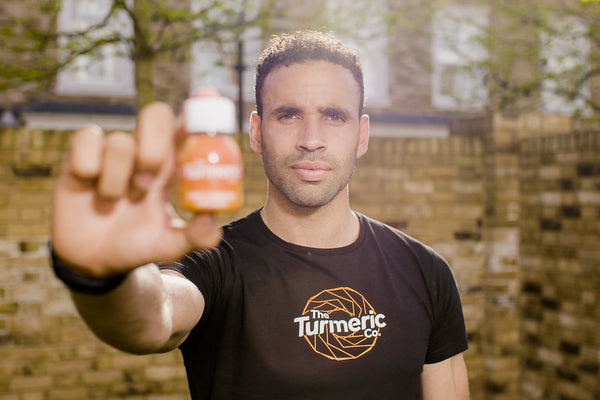
The Hal Robson-Kanu Guide To Fitness & Nutrition
Gain exclusive insight into habits that will make every day a healthy and fulfilling one.