


When most people think about “immunity,” they picture a single shield that either works or doesn’t.
In reality? Your body is protected by several layers of defence, each playing a specific role in keeping you well. And once you understand how these layers work, you can make smarter choices to support them every day.
In this article, we’ll break down the different types of immunity, what they actually do, and how you can naturally strengthen them.
Innate immunity: your first line of defence
Innate immunity is the body’s rapid-response unit — the system you’re born with. It reacts within minutes to anything that looks unfamiliar or harmful.
What it includes:
-
Physical barriers such as your skin and gut lining
-
Cellular defenders like neutrophils and macrophages
-
Chemical barriers such as stomach acid and enzymes
How to support innate immunity:
1. Nourish your gut lining
Around 70% of your immune system sits in the gut. A diet rich in fibre, fermented foods, and natural anti-inflammatories helps strengthen this protective barrier.
2. Prioritise micronutrients
Vitamins C, D3 and A all contribute to innate immune function. A simple daily routine — such as incorporating a science-led immunity supplements - can help keep your levels topped up.
3. Reduce chronic inflammation
Chronic inflammation drains your innate immune activity. Some natural ingredients (like turmeric and ginger) have been studied to offer anti-inflammatory benefits, and can help modulate this response and support your baseline defences.
Adaptive immunity: your personalised protection system
Unlike innate immunity, adaptive immunity learns. Over time, your body builds a personalised library of responses to specific pathogens — from viruses to bacteria.
What it includes:
-
B cells that produce antibodies
-
T cells that destroy infected cells
-
Memory cells that respond quicker when they’ve “seen” a threat before
How to support adaptive immunity:
1. Maintain nutrient status
Vitamin D3 and zinc are essential for adaptive immune signalling and antibody production.
2. Improve sleep quality
Your body creates and regulates immune memory during deep sleep. Aiming for 7–9 hours helps maintain long-term immune resilience.
3. Manage stress
Cortisol suppresses adaptive immune responses. Incorporating ingredients like ashwagandha can support hormone balance and reduce the impact of stress on the immune system.
Passive immunity: protection you receive, not make
Passive immunity is immunity you don’t build yourself, you receive it. The classic example is a baby receiving antibodies through breast milk. Today, passive immunity also applies to certain medical treatments like antibody infusions.
How to support passive immunity
While you can’t “build” passive immunity in the traditional sense, you can reduce the burden on your immune system so your natural defences stay strong. Consistent nutrition, hydration, and recovery practices all help.
Mucosal immunity: your front-door security system
This type of immunity sits in your respiratory, digestive, and reproductive tracts. It’s the immunity that meets most pathogens before they enter your bloodstream.
What it includes:
-
Saliva
-
Mucus membranes
-
Secretory IgA antibodies (your mucosal bodyguards)
How to support mucosal immunity:
1. Stay hydrated
Hydration ensures your mucus membranes stay intact and functional.
2. Prioritise vitamin C
Vitamin C helps maintain mucosal barrier integrity and antibody production.
3. Protect your airways
Cold weather, pollution, and poor indoor air quality can weaken mucosal barriers. Warm environments, clean air, and natural anti-inflammatories help maintain airway health.
Trained immunity: a newcomer in immune science
New research shows that parts of the innate immune system can “remember” past threats - a concept called trained immunity. This means your body can build enhanced nonspecific defences over time.
How to support trained immunity:
-
Regular exposure to natural environments (soil microbes, plant compounds)
-
A diverse diet rich in phytonutrients
-
Maintaining a healthy gut microbiome
These inputs help educate immune cells, improving responsiveness.
How to make your daily routine immunity-proof
Supporting immunity isn’t about quick fixes, it’s about giving your body what it needs consistently. A whole-body approach includes:
1. Anti-inflammatory nutrition
Turmeric, ginger, beetroot, and nutrient-dense whole foods may help to reduce the inflammatory load and free up immune capacity.
2. Micronutrient support
Vitamin C, D3, zinc, magnesium and vitamin A are essential for immune pathways across innate, adaptive, and mucosal systems.
3. Stress and hormone regulation
Chronic stress suppresses multiple immune functions. Adaptogens like ashwagandha, as well as proper recovery, help rebalance the system.
4. Gut-centred health
A strong gut means a strong immune system. Prebiotic fibre, polyphenols, and anti-inflammatory compounds all support gut integrity and microbiome diversity.

Your immune system is incredibly complex — but supporting it doesn’t have to be. When you nourish your body with anti-inflammatory ingredients, keep nutrient levels strong, and prioritise recovery, you reinforce every layer of your immunity.

Raw Turmeric Vitamin C & D3 Shot Box
Our Raw Turmeric Vitamin C & D3 drink is a powerful tropical-flavoured shot to help support immunity and deliver an energy boost when you most need it
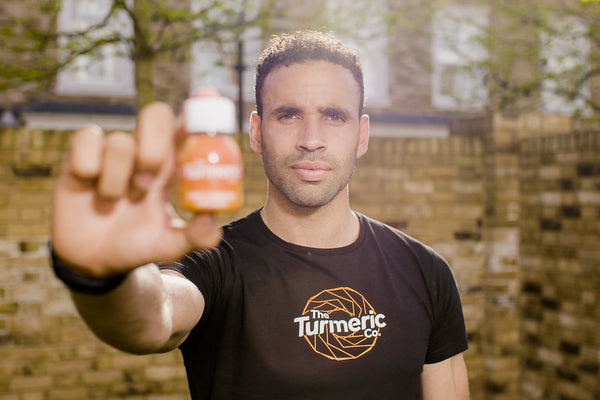
The Hal Robson-Kanu Guide To Fitness & Nutrition
Gain exclusive insight into habits that will make every day a healthy and fulfilling one.