


Believe it or not - most runners are good at the running part! It’s everything that happens afterwards that tends to get neglected.
If you’re training for a spring marathon or simply trying to stay consistent across the week, how you recover between sessions will directly affect how you perform in the next one.
This blog breaks down seven practical running recovery tips you can start using immediately, from the obvious ones you’re probably half-doing to the ones you might not have considered at all.
1. Prioritise the first 60 minutes after your run
The post-run window is when your body is most receptive to what you give it.
Glycogen stores (aka carb-loaded energy levels) are depleted, muscle fibres are damaged, and the inflammatory response is already underway. What you do in this window sets the tone for how quickly you bounce back.
Aim for a combination of protein and carbohydrates within 30 to 60 minutes of finishing. A meal is ideal, but if your appetite isn’t there (common after harder sessions), a smoothie, yoghurt with fruit, or even a cup of warm golden milk will start the process.

2. Consider anti-inflammatory nutrition
When people search for anti-inflammatory foods for runners, they tend to find vague lists of superfoods.
The reality is that consistency matters more than variety here!
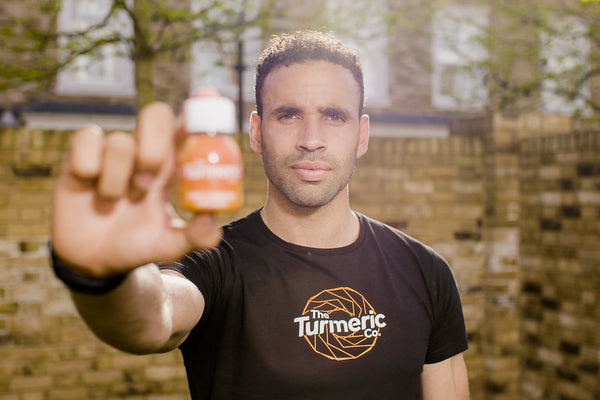
Curcumin, the active compound in turmeric, has been suggested to help manage the body’s inflammatory response, and research suggests it may support recovery from exercise-induced muscle soreness. You’ll often hear about taking turmeric with black pepper to boost absorption, which may help, but the best turmeric shots go further by using formulations specifically designed to maximise uptake.
Whether you go with a turmeric shot, tart cherry juice, or snacking on a handful of blueberries, the key is building it into your routine rather than treating it as an occasional afterthought.
3. Sleep like it’s part of your training plan
This is the recovery tool every runner has access to and almost nobody uses properly.
During deep sleep, your body releases growth hormone, repairs damaged tissue, and helps lock in and strengthen the progress your body as made from training. Cut your sleep short and you’re cutting your recovery short.
The research is clear: athletes who consistently get fewer than seven hours of sleep are significantly more likely to pick up injuries. If you’re serious about how to prevent running injuries, sleep is the single highest-impact change most people can make. A few things that help:
• Keep a consistent bedtime, even on non-training days
• Avoid screens for 30 minutes before sleep (the blue light suppresses melatonin)
• Keep your bedroom cool, ideally around 16 to 18 degrees
4. Hydrate throughout the day, not just during runs
Hydration for runners tends to focus on what you drink during and immediately after a session.
That matters, but it’s only part of the picture. Chronic low-level dehydration across the day impairs recovery, reduces blood flow to damaged tissues, and makes joint stiffness worse.
A simple rule of thumb: if you’re waiting until you feel thirsty to drink, you’re already behind. Carry a water bottle and sip consistently. If you’re training in the morning, pay particular attention to hydrating the evening before, because you’ll lose fluid overnight.
Electrolytes also play a role, especially during longer sessions or in warmer weather. A good electrolyte drink (avoid ultra-processed sachets and gels as they can contain ingredients that disturb gut microbiome), can help maintain fluid balance more effectively than water alone.

5. Move on your rest days
A rest day doesn’t mean lying on the sofa for 24 hours (tempting as that is after a long run!).
Active recovery, meaning light, low-impact movement, promotes blood flow to damaged tissues and helps clear the metabolic byproducts of hard training.
This doesn’t need to be complicated. Effective active recovery looks like:
• A 20 to 30 minute walk at an easy pace
• Gentle stretching or yoga focused on hips, hamstrings, and calves
• A light swim or easy bike ride
• Foam rolling the major muscle groups in your legs
The goal is movement without additional training stress. If it feels like a workout, you’ve gone too far.
6. Strengthen what running doesn’t
Running is repetitive by nature. You’re moving in one plane of motion, loading the same muscles and joints in the same way, thousands of times per session.
Over time, this creates imbalances.
The muscles that running doesn’t challenge (glutes, hip stabilisers, core) weaken relative to those it does, and that’s when compensations and injuries follow.
Two to three short strength sessions per week can make a significant difference. You can do this from home - no need for a gym membership! Make sure to focus on:
• Single-leg exercises like lunges and step-ups to address left/right imbalances
• Glute bridges and clamshells to build hip stability
• Planks and dead bugs for core endurance
• Calf raises to protect against shin splints and Achilles issues
Even 15 to 20 minutes twice a week will build resilience in the areas that running alone neglects.
7. Think of recovery as a system, not a single fix
The mistake most runners make is treating muscle recovery after running as one thing they either do or don’t do.
In reality, recovery is a system:
- Sleep supports tissue repair.
- Nutrition provides the raw materials.
- Hydration keeps everything moving.
And managing the inflammatory load across a training block, rather than ignoring it until something hurts, ties the whole thing together.

No single element on this list will transform your running on its own. But when you stack them together consistently across weeks and months of training, the compound effect is significant.
You’ll feel it in how your legs respond on back-to-back training days, how quickly soreness clears, and how often you’re reaching for the ibuprofen (ideally, less and less).
Happy running!

Raw Turmeric & Ginger Shot Box
Combining two ‘super roots’ in turmeric and ginger makes this a naturally potent shot combination.
The Hal Robson-Kanu Guide To Fitness & Nutrition
Gain exclusive insight into habits that will make every day a healthy and fulfilling one.