


If you've been dealing with persistent joint aches or muscles that never quite recover, inflammation is almost certainly part of the picture.
It's not just a buzzword — it's a measurable biological process, and when it becomes chronic, your joints and muscles bear the brunt.
Understanding inflammation is the first step to addressing pain at its source rather than managing symptoms indefinitely.
What is inflammation and when does it become a problem?
Inflammation is your immune system's first response to a threat. A cut, an infection, a sprained ankle — the body floods the area with immune cells, increases blood flow, and begins repair. This is acute inflammation, and it's entirely healthy.
Chronic inflammation is different. It's a low-grade, persistent state where the immune system stays switched on without a clear threat to resolve. There's no visible swelling. No obvious injury. Just a quiet, ongoing immune response that begins to damage the very tissues it was designed to protect over time.
Research published in Nature Reviews Immunology identifies chronic low-grade inflammation as a key driver of tissue degeneration in musculoskeletal conditions. That means cartilage, muscle fibres, and connective tissue are all vulnerable to its long-term effects.
How inflammation damages joints and muscles
In joints, chronic inflammation triggers enzymes that break down cartilage — the cushioning between bones. As it thins, bones begin to rub, nerves get irritated, and pain follows.
This is the mechanism behind osteoarthritis and inflammatory arthritis, but it's relevant to anyone with persistent joint discomfort, not just those with a diagnosis.
In muscles, inflammation disrupts the repair cycle that follows exercise or physical activity. Muscles that can't fully recover become tight, tender, and more vulnerable to further damage — a frustrating cycle that won't resolve until the underlying inflammation is addressed.

What's driving your inflammation?
Chronic inflammation is heavily shaped by lifestyle — particularly diet, sleep, stress, and movement. The most significant drivers include:
- A diet high in refined sugars, ultra-processed foods, and refined vegetable oils
- Consistently poor or insufficient sleep
- Chronic stress and elevated cortisol levels
- A sedentary lifestyle with limited regular movement
- Gut microbiome imbalance — emerging research links intestinal health closely to systemic inflammation
Genetics and underlying health conditions play a role too, but these lifestyle factors are where the most meaningful change is possible.
The anti-inflammatory diet: what the evidence says
Food is one of the most immediate levers you have over your inflammatory state. Some foods actively fuel it; others actively dampen it. A shift towards whole, plant-based foods consistently shows up in research as one of the most effective dietary approaches for reducing chronic inflammation.
The foods with the strongest evidence behind them:
- Dark leafy greens — spinach, kale, Swiss chard — rich in magnesium, vitamin K, and antioxidants that protect joint tissue
- Berries — blueberries, cherries, blackcurrants — contain anthocyanins, studied for their role in supporting a healthy inflammatory response
- Walnuts and ground flaxseed — among the best plant sources of omega-3 fatty acids, which help regulate the inflammatory cascade
- Ginger — contains gingerols and shogaols, bioactive compounds studied for their suggested role in supporting a healthy inflammatory response
- Legumes — lentils, chickpeas, black beans — provide plant protein for muscle repair alongside fibre that feeds beneficial gut bacteria
Turmeric deserves special mention. Its active compound, curcumin, has been studied extensively for its suggested role in modulating inflammatory pathways.
A review in the Journal of Medicinal Food suggested curcumin may help support a healthy inflammatory response, though it is not a treatment for any medical condition. Using fresh turmeric root, or a minimally processed raw supplement, retains the widest range of naturally occurring compounds and co-factors that support absorption.

Movement, sleep, and stress: the other three pillars
Diet is the foundation, but three other lifestyle factors have a direct and measurable influence on chronic inflammation:
Movement. Regular, gentle exercise — walking, yoga, swimming — has been shown in multiple studies to reduce circulating inflammatory markers. Sedentary behaviour consistently worsens them. You don't need intense training; consistent, low-impact movement is what matters.
Sleep. This is when the body does most of its anti-inflammatory repair. Consistently poor sleep raises CRP (a key inflammatory protein) and increases pain sensitivity. Seven to nine hours of quality sleep isn't optional for someone managing chronic joint pain; it's a core part of the strategy.
Stress. Chronically elevated cortisol actively promotes a pro-inflammatory environment. Managing stress through breathwork, movement, or time in nature has direct physiological effects — not just psychological ones.
Inflammation is a starting point, not a life sentence
Inflammation is a starting point, not a life sentence. The fact that lifestyle drives so much of it means the levers for change are largely within reach. No single supplement or food resolves chronic inflammation — but a consistent, holistic approach built around whole plant foods, regular movement, quality sleep, and a calmer nervous system gives your body the conditions it needs to begin reducing it.
Address the root cause, and the pain that follows in its wake tends to follow suit.
This article is for informational purposes only and does not constitute medical advice. Always consult a qualified healthcare professional before making changes to your diet, supplement routine, or exercise programme.

Raw Turmeric & Ginger Shot Box
Combining two ‘super roots’ in turmeric and ginger makes this a naturally potent shot combination.
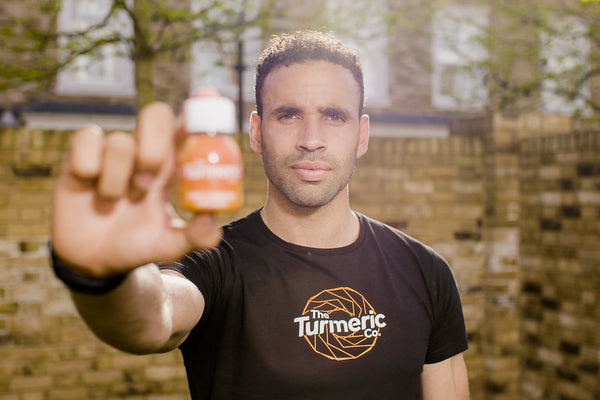
The Hal Robson-Kanu Guide To Fitness & Nutrition
Gain exclusive insight into habits that will make every day a healthy and fulfilling one.