


Recovery is not something reserved for elite athletes or people who live in the gym.
If you walk the dog, carry shopping, chase after kids, sit hunched at a desk all day or simply want to feel less tired and stiff, your body is recovering, or struggling to, all the time.
Recovery is just the process of your body repairing and recharging after the demands you place on it, both physical and mental. Supporting it properly pays off for absolutely everyone, not only the sporty. Here is why it matters (even if you never plan to run a marathon!):
What recovery really means
We tend to associate the word "recovery" with athletes lying in ice baths, but the underlying biology is universal.
Every day your body deals with a steady stream of demands: physical effort, mental stress, broken sleep, the wear and tear of simply being alive.
Recovery is how it repairs tissue, refills energy stores, clears the by-products of activity and resets your nervous system so you can do it all again tomorrow.
For an athlete, the demand is obvious and intense. For everyone else, it is quieter but relentless, a long day on your feet, a stressful week at work, a poor night's sleep, a flight of stairs that leaves you puffed.
Your body still has to recover from all of it. The difference is that everyday demands rarely announce themselves as "training", so we forget to give our bodies the same consideration an athlete gives theirs.
The everyday signs you are under-recovered
You do not need a heart-rate monitor to spot poor recovery!
It shows up in ordinary ways: waking up tired even after a full night in bed, feeling stiff when you get out of a chair, struggling to concentrate, catching every cold going round, or feeling flat and irritable for no obvious reason. These are the everyday equivalents of an athlete's heavy legs.
The trouble is that we have been taught to treat these signals as just "being busy" or "getting older", and to push through them with caffeine and willpower. Occasionally that is fine. But when under-recovery becomes the norm, it quietly erodes your energy, mood, immune resilience and how you feel in your own body. Recognising the signs is the first step to doing something about them.
Why modern life makes recovery harder
Here is the uncomfortable truth: modern life is almost designed to interfere with recovery.
Chronic, low-level stress keeps the body in a state of mild alert, with stress hormones such as cortisol staying elevated when they should be ebbing away. Screens and late nights chip away at sleep, the single most powerful recovery tool we have. Long hours sitting still leave joints stiff and circulation sluggish, and ultra-processed convenience food often crowds out the nutrients the body uses to repair itself.
None of this means you have done anything wrong, it is the water we all swim in.
But it does mean recovery rarely takes care of itself anymore. For most people, feeling genuinely well now requires a bit of deliberate effort to protect the conditions in which the body recovers naturally.
The pillars of recovery for everyone
The good news is that the fundamentals are the same whether you are a weekend gardener or a county-level runner, and none of them is complicated:
- Sleep is the foundation. It is when most repair happens, and research consistently describes deep sleep as the body's primary window for tissue repair and restoration. Protecting seven to nine hours does more than any supplement.
- Movement aids recovery rather than hindering it. Gentle activity on your "off" days, a walk, a swim, some stretching, keeps blood and nutrients flowing to tissues that need them.
- Nutrition gives your body its raw materials. A balanced, colourful diet supplies the protein, carbohydrate, vitamins and minerals involved in repair and energy, without the processed extras that work against it.
- Downtime matters as much as physical rest. Giving your nervous system genuine breaks, away from screens and pressure, lets stress hormones settle so the body can switch into repair mode.

Where anti-inflammatory foods fit in
Everyday life also generates a slow, low-grade inflammatory load, from stress, poor sleep, inactivity and processed food, that can leave you feeling persistently below par. This is where a diet rich in colourful plants earns its keep, supplying the polyphenols and antioxidants that help the body keep its inflammatory response in balance.
Turmeric sits comfortably in this category.
An active compound in turmeric, curcumin, has been studied for antioxidant and anti-inflammatory effects, and research suggests it may help support the body through inflammatory stress.
You do not need to be an athlete to benefit from building these kinds of whole foods into your routine, they are simply part of eating in a way that supports how your body recovers day to day.
A simple, sustainable approach
The aim is not to turn your life into a training camp.
It is to give your everyday body a little of the care we wrongly assume only athletes need. Sleep well, move gently and often, eat real plant-based food, and protect some genuine downtime. Those four habits will do more for how you feel than any single product.
If you want an easy, whole-food way to bring turmeric into the mix, our Raw Turmeric Original Shot Box is a cold-pressed daily shot designed to slot into ordinary life, not a processed pill. For the bigger picture, our guide to what recovery really means for everyday training unpacks the idea further.
The bottom line
Recovery is a basic human need, not an athletic luxury.
Your body is always repairing and recharging from the demands of daily life, and how you sleep, move, eat and unwind decides how well it manages. Give it the right conditions and you will feel the difference in your energy, your mood and your body, no finish line required.

Raw Turmeric & Ginger Shot Box
Combining two ‘super roots’ in turmeric and ginger makes this a naturally potent shot combination.
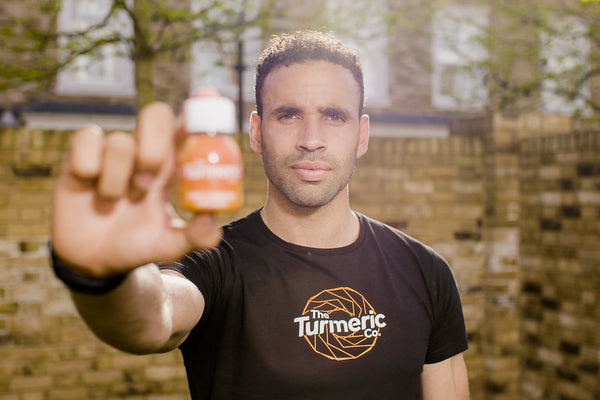
The Hal Robson-Kanu Guide To Fitness & Nutrition
Gain exclusive insight into habits that will make every day a healthy and fulfilling one.