


Seasonal flu is something most of us expect once the colder months arrive. What’s been different this year is how early flu has surged, and the specific strain driving it.
A mutated version of influenza A, known as H3N2 subclade K, has become the dominant strain circulating across the UK. While headlines have dubbed it a “super flu”, this label is misleading. The virus hasn’t suddenly become untreatable, but it has caught populations off guard.
The reason? Many people simply haven’t encountered this variant in recent years, meaning there’s less collective immune memory against it. And when immune systems are unfamiliar with a virus, it can spread more quickly and widely.
This has led to a sharp rise in hospital admissions early in the season, prompting the NHS to issue a “flu jab SOS” to those most at risk. Flu vaccinations continue to play an important role in reducing severe illness for vulnerable groups - but they are only one part of a much bigger immunity picture.
For people looking to take a proactive, natural approach to health, this moment offers a useful reminder: immune resilience is built daily, long before exposure occurs.
Why immune resilience matters more than ever
Your immune system isn’t a single defence switch... it’s a complex network influenced by nutrition, gut health, stress, sleep and inflammation levels.
When a virus mutates, the immune system relies less on memory and more on its baseline strength and adaptability. This is where lifestyle and nutrition become especially relevant.
Rather than focusing solely on avoiding illness, a resilience-first approach asks:
-
How efficiently can your immune system respond?
-
Can it fight infection without excessive inflammation?
-
How quickly can it return to balance afterwards?
These factors influence not just whether you get ill, but how your body handles viral exposure.
1. Feed your immune system with real, plant-based foods
One of the most powerful ways to support immunity is through dietary diversity. Whole plant foods provide fibre, antioxidants and phytonutrients that directly influence immune cell function.
Aim to eat a broad range of:
-
Leafy greens (spinach, kale, chard)
-
Deeply coloured vegetables (beetroot, squash, red cabbage)
-
Fruits rich in polyphenols (berries, citrus, apples)
-
Legumes, seeds and whole grains for gut nourishment
These foods help regulate inflammation and support the gut microbiome (which is crucial, given that around 70% of immune activity is connected to the gut!)

2. Use fresh roots and botanicals to support immune balance
Traditional food cultures have long relied on roots, spices and botanicals during colder months — not as cures, but as daily supports.
-
Turmeric contains curcumin, which may support a balanced inflammatory response
-
Ginger is naturally warming and may support circulation and respiratory comfort
-
Citrus fruits provide vitamin C, which contributes to normal immune function
The form matters. Fresh, raw or gently processed ingredients retain their natural complexity, allowing nutrients to work synergistically. This is why food-based approaches are often more bioavailable than isolated, ultra-processed supplements.
3. Strengthen immunity through the gut–immune connection
The gut is more than a digestive organ — it’s an immune training ground. When gut bacteria are well nourished, immune responses tend to be more effective and less reactive.
Support gut health by:
-
Eating enough fibre from whole plants (30g daily is a helpful target)
-
Including fermented foods such as sauerkraut, kimchi or miso
-
Reducing reliance on highly processed foods that disrupt microbial balance
A resilient gut helps your immune system respond proportionately — strong enough to fight infection, without leaving you depleted.

4. Sleep and stress: the overlooked immune regulators
Sleep deprivation and chronic stress quietly suppress immune defences. During deep sleep, your body produces cytokines that help coordinate immune responses.
Simple practices that make a real difference include:
-
Consistent bed and wake times
-
Reducing late-night screen exposure
-
Gentle movement and daylight exposure during winter
-
Breathing exercises or mindfulness to lower cortisol levels
These aren’t optional extras — they’re foundational to immune readiness.
A balanced view on flu vaccination
Flu jabs remain an important public health tool, particularly for older adults, those with underlying conditions and people at higher risk of complications. For these groups, vaccination can significantly reduce the likelihood of severe illness.
For others, especially those who are generally healthy, immunity is best viewed as multi-layered. Medical interventions and natural immune support aren’t opposing strategies, they can coexist.
Regardless of vaccination status, lifestyle and nutrition still shape how well the immune system functions overall.

Building immunity is a long game
The emergence of H3N2 subclade K is a reminder that viruses evolve, and that immune resilience isn’t built overnight.
Rather than reacting with fear each winter, this is an opportunity to focus on what doesn’t change:
-
Real food
-
Consistent rest
-
Managing stress
-
Supporting the gut
-
Reducing chronic inflammation
These habits don’t just help during flu season — they support long-term health and vitality.
In a world of ever-changing viruses, the most reliable defence remains the same: a well-supported immune system, built from the inside out.

Raw Turmeric Vitamin C & D3 Shot Box
Our Raw Turmeric Vitamin C & D3 drink is a powerful tropical-flavoured shot to help support immunity and deliver an energy boost when you most need it
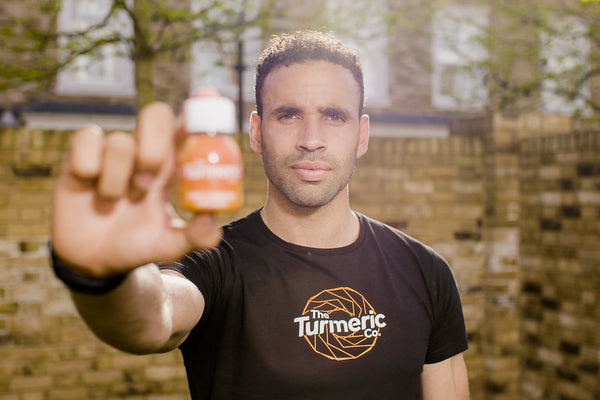
The Hal Robson-Kanu Guide To Fitness & Nutrition
Gain exclusive insight into habits that will make every day a healthy and fulfilling one.