


Seasonal flu returns every year, but this winter it has arrived earlier and with greater force across the UK...
Health services are reporting a sharp rise in cases driven largely by H3N2, a subtype of 'influenza A' known to spread quickly and cause more severe illness in some groups.
Understanding what makes this strain different, how long flu lasts, and how to protect your immune system can help you stay well during peak season. Let's dive into it!
What is H3N2 and why is it causing concern?
H3N2 is a strain of influenza A (aka Flu A) that has been associated with higher hospitalisation rates than other seasonal flu viruses, particularly among older adults, young children and those with weakened immunity.
This season’s dominant variant has evolved slightly from recent years, meaning previous exposure or immunity may offer reduced protection.
As a result, flu cases have risen earlier than expected, with increased pressure on NHS services. While most people recover without complications, the speed and severity of H3N2 means it’s important to take symptoms seriously and act early.
Flu symptoms to watch for
Flu symptoms often come on suddenly and can feel more intense than a common cold. In Flu A's case, the duration of illness and severity of symptoms vary. Common flu symptoms include:
-
fever or chills
-
severe tiredness and weakness
-
muscle aches and joint pain
-
headache
-
sore throat
-
cough
-
runny or blocked nose
Some people, particularly children, may also experience nausea or vomiting. If symptoms are severe, worsen after a few days, or include shortness of breath or chest pain, medical advice should be sought.
How long does flu last and how long to recover from flu?
Symptoms typically begin 1–4 days after exposure and most people are contagious for around 5–7 days after symptoms start.
For healthy adults, the acute phase of flu usually lasts 5–8 days , but full recovery can take longer.
Fatigue and weakness may linger for 1-2 weeks, which is why many people underestimate how long it actually takes to recover from flu. Returning to normal activity too quickly can prolong recovery and increase the risk of complications.

How to get rid of flu fast (and what actually helps)
There’s no instant cure, but if you’re wondering how to get rid of flu fast, the most effective approach is supporting your body while your immune system does its job:
-
Rest early and properly - this is one of the biggest factors in recovery
-
Stay well hydrated to support circulation and mucus clearance
-
Eat nutrient-dense foods to provide energy and immune support
-
Sleep consistently, as immune responses are closely linked to sleep quality
Antibiotics do not treat flu, as it is viral, but antiviral medication may be prescribed for some high-risk individuals if taken early.
Protecting your immune system during flu season
A strong immune system doesn’t guarantee you won’t catch flu, but it does influence how effectively your body responds and recovers. During winter, immunity can be under extra pressure due to lower sunlight exposure, stress, reduced sleep and higher viral circulation.
Key ways to support immunity include:
-
eating a balanced diet rich in fruit and vegetables
-
staying physically active without overtraining
-
managing stress levels
-
prioritising sleep
-
maintaining adequate intake of immune-supporting nutrients
The role of nutrition
Nutrition plays an important role in immune resilience and recovery.
Nutrients such as vitamin C and vitamin D3 are well recognised for their contribution to normal immune function, particularly during winter months when respiratory infections peak:
- Vitamin C helps protect cells from oxidative stress and supports immune defence during and after physical strain.
- Vitamin D3 plays a key role in immune regulation, and low levels have been linked to increased susceptibility to respiratory infections.
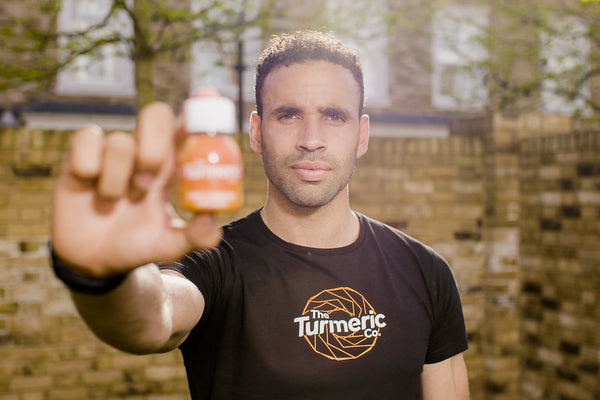
Products such as the Raw Turmeric & Vitamin C & D3 shot can support daily immunity as part of a wider routine. Not only does this make getting your daily dose of vitamin C AND vitamin D3 easy, but it also combines fresh raw turmeric and superfoods to top up the micronutrients that help maintain immune function.
Preventing flu and protecting others
Prevention remains the most effective strategy. Key steps include:
-
washing hands regularly with soap and water
-
improving ventilation indoors
-
avoiding close contact with others when unwell
If you have flu symptoms and need to be in public spaces, wearing a mask can reduce the risk of passing the virus on - particularly to vulnerable people.
 This winter’s H3N2-driven flu surge is a reminder that influenza is not “just a bad cold.”
Understanding flu symptoms, knowing how long flu lasts, and supporting your immune system through vaccination, lifestyle and nutrition are key to protecting yourself and others. With the right precautions and early action, most people can recover well and reduce the impact of flu during peak season.

Raw Turmeric Vitamin C & D3 Shot Box
Our Raw Turmeric Vitamin C & D3 drink is a powerful tropical-flavoured shot to help support immunity and deliver an energy boost when you most need it
The Hal Robson-Kanu Guide To Fitness & Nutrition
Gain exclusive insight into habits that will make every day a healthy and fulfilling one.