


What is a ginger shot, and is it worth the space in your fridge? They turn up in supermarket chillers, gym bags, and a lot of January resolutions, and remarkably few of them come with a straight answer about what is inside or what it can reasonably do.
A ginger shot is a small, concentrated drink of fresh ginger root, usually 60ml or less, swallowed in one go. The evidence behind it is strongest for nausea. A meta-analysis of 14 randomised trials covering 1,506 surgical patients found ginger lowered nausea scores in the hours after an operation.
Key takeaways
- A ginger shot is a concentrated dose of fresh ginger root, not a medicine and not a meal replacement.
- The gingerols are the active part, and they are what gives fresh ginger its heat.
- Nausea is the best-evidenced use by a distance. Joint pain has decent supporting evidence too.
- Ginger reliably reduces the feeling of nausea in trials. It does not reliably stop vomiting, and honest copy should say so.
- Anyone on anticoagulants, or with gallstones, should speak to their pharmacist or GP before making it a daily habit.
What is a ginger shot, exactly?
It is fresh ginger root, crushed or juiced, served in a small volume so you get a concentrated amount in a couple of seconds.
A ginger shot is defined as a single small serving, typically 30ml to 60ml, of concentrated fresh ginger root, usually blended with fruit, citrus, or water to make the heat manageable. That is the whole idea. The point is not hydration or refreshment, it's getting a useful amount of ginger into you quickly and repeatably.
Most shops sell them chilled rather than shelf stable, because fresh ginger's active compounds are the fragile part. A shot that has been heat treated to sit on a dry shelf for a year is a different product from one kept cold.
What do the gingerols in ginger actually do?
They are the pungent compounds that give fresh ginger its bite, and they are what the research is chasing.
The chemistry here is genuinely useful to know, because it changes what you should buy. A review of gingerols and shogaols in Phytochemistry sets out that gingerols are the major pungent compounds in the fresh rhizome, and that they are thermally unstable. Heat and drying convert them into shogaols, which is why dried ground ginger tastes different from a fresh root: you are tasting a different set of compounds.
So a fresh, cold-crushed shot and a mug of hot ginger tea are not interchangeable. Neither is wrong, but they deliver different things, and only the fresh route keeps the gingerol profile the nausea trials were mostly built on.
What does the evidence say a ginger shot can help with?
Nausea first, joint pain second, and digestion third, with the quality of evidence dropping as you go down that list.
The nausea evidence is the strongest thing ginger has, and it is consistent across completely separate situations. Alongside the surgical meta-analysis above, a meta-analysis of 13 studies in 1,174 pregnant women found ginger significantly reduced the severity of nausea compared with placebo.
Here is the honest caveat, and it is the same one in both papers: ginger reduces the feeling of nausea, but neither analysis found a significant reduction in vomiting. That is a real limit, and it is worth knowing before you rely on one.
On joints, a meta-analysis of five placebo-controlled trials in 593 people with osteoarthritis, published in Osteoarthritis and Cartilage, found a statistically significant reduction in pain and in disability. The authors called ginger modestly effective and reasonably safe. They also reported that people taking ginger were more than twice as likely to stop treatment than those on placebo because of side effects, which is a fair warning to take at face value.
On digestion, a randomised double-blind study of 24 healthy volunteers in the European Journal of Gastroenterology and Hepatology found ginger halved gastric half-emptying time, from 26.7 minutes to 13.1 minutes. That is the plausible mechanism behind the old advice that ginger settles the stomach: it moves things along.
| What ginger has been studied for | What the trials support |
|---|---|
| Nausea after surgery | Lower nausea scores at 2, 6, and 12 hours, across 14 trials |
| Nausea in pregnancy | Reduced severity of nausea against placebo, across 13 studies |
| Osteoarthritis pain | Small but significant reductions in pain and disability |
| Gastric emptying | Roughly halved half-emptying time in healthy volunteers |
Who is a ginger shot actually for?
People who want the ginger habit to be repeatable, and who would otherwise never get round to grating a root.
That is the honest case for the format. Nobody struggles to believe ginger is good for them. What people struggle with is doing it four or five times a week, in a useful amount, for long enough to notice. A shot removes the faff, and consistency is the thing every one of those trials had that a kitchen habit usually doesn't.
It's also the one home remedy the NHS itself puts in writing. The NHS guidance on motion sickness lists ginger among the things to try on a journey, alongside fresh air, water, and not reading in the car. It suggests a tablet, biscuit, or tea rather than a shot, which is fair, and the underlying ingredient is the same.
It suits you if you get travel sick, if mornings are when your stomach is least cooperative, if you're managing stiff joints alongside exercise, or if you simply like the heat. It suits you less if you were hoping for a cure for a cold, or an energy hit. Ginger is not a stimulant, and any shot promising a lift is selling you the sugar in the fruit base.
Who should check with a pharmacist or GP first?
Anyone taking anticoagulants or antiplatelets, anyone with gallstones, and anyone due surgery.
Ginger may affect clotting when taken in large amounts. A systematic review in the British Journal of Clinical Pharmacology covering 78 foods, herbs, and supplements named ginger among those where clinicians should be aware of an increased bleeding risk alongside warfarin. So if you're on warfarin, clopidogrel, or another blood thinner, that is a conversation to have with your healthcare professional before you start taking it daily. The same goes if you have gallstones, and if you have an operation booked.
If you're pregnant, the trial evidence is reassuring rather than alarming. The pregnancy meta-analyses found no raised risk of miscarriage, heartburn, or drowsiness, and a systematic review of 12 randomised trials in 1,278 women in Nutrition Journal favoured lower daily amounts, under 1,500mg, for nausea relief. Still speak to your midwife or GP first, because that is their call and not an article's.
Does a ginger shot have to be pure ginger?
No, and most of the better ones aren't, because neat ginger juice is genuinely hard to drink.
This is where we should be straight with you about our own range. We don't make a pure ginger shot. Every blend we make is turmeric led, because the two roots are studied on overlapping ground and we would rather give you both than one. Raw Turmeric & Ginger puts ginger root and turmeric root at 15% each, in a cold-crushed watermelon base with added magnesium and vitamin C, and it is our mobility blend. If ginger is the flavour you're actually there for, Raw Turmeric & XTRA Ginger takes ginger root up to 30%, which is the ginger superfan's version rather than a stronger shot in general.
Both carry BioMax Uptake Blend®, our trade-secret black pepper mix, at a 0.1% inclusion. The fresh, whole-crushed fruits bring their own sugars, which is why they taste like something you'd choose to drink.
If you want the practical side of building the habit, our guide to how to take a turmeric shot covers timing and food, and ginger shot benefits goes deeper on what the gingerols do.
The takeaway
A ginger shot is a small, concentrated serving of fresh ginger root, and the reason to have one is that it makes a good habit easy rather than because it does anything dramatic on the day. The nausea evidence is real and consistent, the joint evidence is modest and genuine, and the vomiting evidence isn't there. Buy it chilled, buy it fresh, and drink it often enough to matter.
For most people the easiest version of that habit is a blend rather than neat ginger, and that is what we make. Raw Turmeric & Ginger is the one to start with, and it takes about three seconds a morning.
Frequently asked questions
What is a ginger shot made of?
Fresh ginger root, concentrated into a small serving, usually with fruit or citrus to carry the heat. Better ones are cold-crushed and kept chilled. Check the label for the ginger percentage, because it varies enormously between brands and it's the number that actually matters.
How much ginger is in a ginger shot?
It depends entirely on the product, and the label percentage is the only honest guide. Our Raw Turmeric & Ginger carries ginger root at 15% alongside turmeric root at 15%, and Raw Turmeric & XTRA Ginger takes ginger to 30%.
Can you drink a ginger shot every day?
Yes, for most people. Daily use is how the habit works, and the trials that found benefits ran for weeks rather than days. If you're on blood thinners, have gallstones, or are pregnant, check with your pharmacist or GP first.
Do ginger shots stop you being sick?
They reduce the feeling of nausea, which is well supported. Stopping vomiting is a different matter, and the pooled trials did not find a significant effect there. It's a fair thing to expect help with the queasiness, not a guarantee against being sick.
Is a ginger shot better than ginger tea?
They do different jobs. Heat converts gingerols into shogaols, so tea and a fresh shot deliver different compounds. Tea is comforting and hydrating. A cold-crushed shot keeps the gingerol profile that most of the nausea research used.
Are ginger shots worth the money?
If you'd otherwise skip the ginger entirely, yes, because the benefit comes from doing it consistently. If you'll genuinely grate fresh root several mornings a week, do that instead. Most people won't, which is the honest case for the format.

Raw Turmeric & Ginger Shot Box
Combining two ‘super roots’ in turmeric and ginger makes this a naturally potent shot combination.
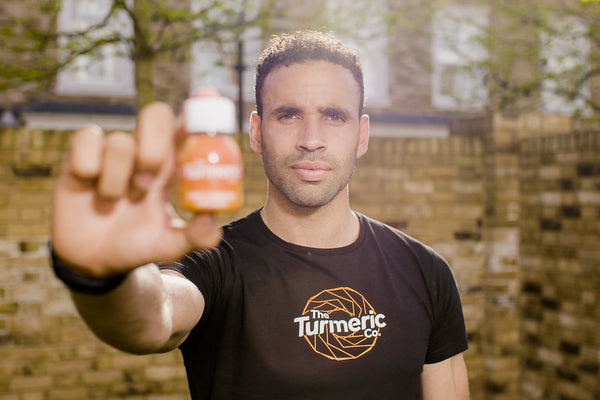
The Hal Robson-Kanu Guide To Fitness & Nutrition
Gain exclusive insight into habits that will make every day a healthy and fulfilling one.