


Pregnancy is a time when every ingredient, supplement, and habit comes under the microscope - and rightly so.
With this in mind, it's no surprise that those expecting find themselves asking: can you take collagen while pregnant? With collagen products rising in popularity for skin health, joint support, and general wellbeing, it’s important to understand what the science and guidance actually say.
In this article, we’ll break down the risks of collagen during pregnancy, what healthcare professionals typically advise, and what to consider before choosing collagen supplements while pregnant.
What is collagen?
Collagen is the most abundant protein in the body. It supports skin elasticity, joint health, and connective tissues. During pregnancy - when the skin stretches and joints carry more load - it’s understandable why many look to collagen for additional support.
Most collagen supplements on the market are made from bovine (cow), marine (fish), or porcine (pig) sources and come in powdered, capsule, or liquid form. But these forms can also carry risk of metal contaminates, so quality is key when looking for the best collagen supplement for you.
Can you take collagen while pregnant?
The short answer: yes, but let's dive into this.
There is currently no strong scientific evidence showing that collagen supplements are harmful during pregnancy, but equally, there is not enough research to confirm if all types are completely safe.
Why the uncertainty?
-
Mass-produced collagen supplements are not regulated to the same standard as medicines.
-
Formulations vary widely - some contain added vitamins, sweeteners, or herbs, which may not be suitable during pregnancy.
-
Research on long-term effects of supplemental collagen in pregnancy remains limited.

Understanding the risk of collagen during pregnancy
While collagen itself is simply a protein, the risks of collagen during pregnancy are less about the collagen and more about the quality and composition of the supplement.
Here are the key considerations:
1. Contaminants and purity
Low-quality collagen products may contain heavy metals or unwanted additives. During pregnancy, minimising exposure to contaminants is essential.
2. Added ingredients
Many collagen blends include:
-
Caffeine
-
High-dose vitamins
-
Herbal extracts
These may not be recommended while pregnant.
3. Allergies
Marine collagen, for example, may trigger reactions in those with seafood allergies.
4. Digestive sensitivity
Some people experience bloating or discomfort when starting collagen supplements. Pregnancy already places strain on digestion, so this is worth noting.
To combat all of the above, it's important to opt for a collagen support supplement that is free of any harmful additives/contaminates. The Turmeric Co.'s Raw Turmeric & Pro-Collagen shot does an excellent job of delivering the amino acids needed to create Type 1 human collagen, but without the impurities that some cheap collagen supplements offer.
Are collagen supplements while pregnant ever helpful?
For some individuals, collagen supplements while pregnant may support normal protein intake — especially if appetite changes make it harder to meet nutritional needs. Collagen may also help maintain skin elasticity or joint comfort.
However, these potential benefits are not yet proven in pregnant populations, so they shouldn’t replace:
-
A balanced diet
-
Antenatal vitamins
-
Clinically recommended treatments
If permitted by your healthcare provider, choose third-party tested, high-quality, clean-label collagen products.
Safe alternatives to support your body during pregnancy
If you’re unsure about supplementing collagen, you can support natural collagen production through whole foods:
-
Eggs
-
Beans and lentils
-
Berries
-
Leafy greens
-
Nuts and seeds
Foods rich in vitamin C (such as citrus, peppers, and strawberries) also help the body produce collagen naturally.

While collagen is a protein the body naturally uses, the risk of taking bovine/marine/porcine collagen during pregnancy largely depends on the supplement’s quality and added ingredients. With limited research available, it’s always best to err on the side of caution.
If you’re considering collagen supplements while pregnant, prioritise natural, plant-based sources from high-quality brands, and a nutrient-rich diet to support both you and your baby.

Raw Turmeric & Pro-Collagen Shot Box
Our Raw Turmeric & Pro-Collagen drink is a powerful tropical-flavoured shot to help support immunity and deliver an energy boost when you most need it
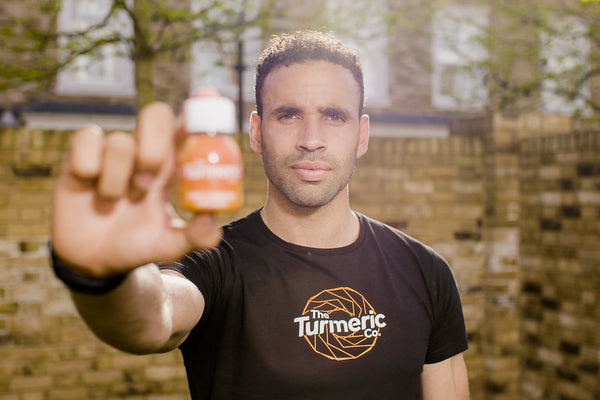
The Hal Robson-Kanu Guide To Fitness & Nutrition
Gain exclusive insight into habits that will make every day a healthy and fulfilling one.