


Ginger for nausea is the rare piece of kitchen folklore that survived contact with a clinical trial, and it survived in more than one setting, which is what makes it worth taking seriously.
It is also the only use the NHS puts in writing. The NHS guidance on motion sickness lists ginger among the things to try on a journey. Behind that sits real trial data: a meta-analysis of 14 randomised trials in 1,506 surgical patients found ginger significantly reduced nausea scores.
Key takeaways
- Nausea is the best-evidenced use of ginger, replicated across surgery, pregnancy, and motion sickness research.
- The NHS suggests trying ginger for travel sickness, as a tablet, biscuit, or tea.
- Trials generally used 1,000mg to 2,000mg, with pregnancy evidence favouring under 1,500mg a day.
- The honest limit: ginger reduces the feeling of nausea, but pooled trials found no significant effect on vomiting.
- Ginger speeds gastric emptying, which is the most likely reason it settles a churning stomach.
Does ginger for nausea actually work?
Yes, consistently, across situations that have almost nothing else in common.
That consistency is the strongest argument for it. A compound that only worked in one carefully chosen setting would be easy to dismiss. Ginger has been tested on people recovering from surgery, on people in early pregnancy, and on volunteers made deliberately queasy in a laboratory, and it reduced nausea in all three.
The surgical evidence is the largest. Pooling 14 randomised trials, the analysis above found significantly lower nausea scores at 2, 6, and 12 hours after an operation compared with placebo.
In pregnancy, a meta-analysis of 13 studies covering 1,174 women found ginger significantly reduced the severity of nausea against placebo, and worked comparably to vitamin B6. A systematic review of 12 randomised trials in 1,278 women in Nutrition Journal agreed, and found no raised risk of miscarriage, heartburn, or drowsiness. Pregnancy sickness is a matter for your midwife or GP rather than an article, so treat that as context and take their advice on what to do about it.
Now the limit, because it matters and it's easy to gloss over. Every one of those analyses looked for an effect on vomiting as well, and none found a significant one. Ginger changes how sick you feel, not reliably whether you end up being sick. That's a smaller promise than most bottles make, and it's the one the data supports.
How does ginger help travel sickness?
By calming the disordered stomach rhythm that motion sets off, and by damping the hormone response that comes with it.
The mechanism study here is neat. A double-blind crossover trial in 13 volunteers with a history of motion sickness, published in the American Journal of Physiology, spun participants in a rotating drum to induce nausea. Ginger at 1,000mg and 2,000mg reduced the nausea, reduced the abnormally fast stomach rhythm the spinning produced, and lowered plasma vasopressin, a hormone that rises with nausea. It also delayed the onset of nausea and shortened recovery afterwards.
Thirteen people is a small study, and it's a laboratory version of motion sickness rather than a ferry crossing. But it lines up with what the NHS suggests and with what people have done for centuries, and it gives a plausible account of why.
| Setting | Trial evidence | Amount used |
|---|---|---|
| After surgery | 14 randomised trials, 1,506 patients: lower nausea scores | Varied by trial |
| Early pregnancy | 13 studies, 1,174 women: reduced nausea severity | Favoured under 1,500mg a day |
| Induced motion sickness | 13 volunteers, crossover: less nausea, delayed onset | 1,000mg to 2,000mg |
| Gastric emptying | 24 healthy volunteers: half-emptying time roughly halved | 1,200mg |
Why does ginger settle the stomach?
Because it speeds up how quickly your stomach empties, which is measurable rather than metaphorical.
A randomised double-blind study of 24 healthy volunteers in the European Journal of Gastroenterology and Hepatology found ginger cut gastric half-emptying time from 26.7 minutes to 13.1 minutes, and increased the frequency of the contractions that push food onward. A stomach that empties faster is a stomach that sits heavy for less time.
The active compounds behind this are the gingerols, the pungent principles of the fresh root. They're thermally unstable, and heating or drying converts them into shogaols, so a hot ginger tea and a cold-crushed shot deliver a different chemical mix. Both have their place. Only the fresh version keeps the profile most of the nausea research used.
How much ginger do you need, and when?
Roughly 1,000mg to 2,000mg, taken before the thing that makes you queasy rather than after it.
Timing is the part people get wrong. In the motion sickness work, ginger was given as a pretreatment, before the nausea started. The Cochrane-style pattern in cold research holds here too: taken at the first sign of trouble, results are less consistent than when it's already on board. If you know a ferry, a coach, or a winding road is coming, take it beforehand.
For everyday queasiness, the practical amount is whatever you'll take regularly. This is where the label percentage matters more than the marketing: a shot listing ginger somewhere after apple juice isn't reaching trial amounts, whatever colour it is.
Who should be careful with ginger?
Anyone on anticoagulants, anyone with gallstones, and anyone with surgery booked.
Ginger may affect clotting when taken in large amounts, and a systematic review in the British Journal of Clinical Pharmacology covering 78 foods, herbs, and supplements named it among those where an increased bleeding risk alongside warfarin is worth knowing about. If you take warfarin, clopidogrel, or another blood thinner, speak to your pharmacist or GP before starting a daily habit. Gallstones are worth flagging as well. Tolerance is the other thing to watch. A meta-analysis of five osteoarthritis trials found people taking ginger were more than twice as likely to stop treatment because of side effects, so if it does not agree with you, take less or take it with food.
If nausea is persistent, unexplained, or comes with weight loss, pain, or vomiting you can't settle, that's a GP conversation and not a supplement question.
Making it a habit rather than a rescue
The trials that found benefits mostly gave ginger regularly, not occasionally.
That's the argument for a format you'll keep up with. We don't make a pure ginger shot, and it's worth saying so: every blend we make is turmeric led, because the two roots are studied on overlapping ground. Raw Turmeric & XTRA Ginger is the ginger-forward one, with ginger root at 30% in a cold-crushed watermelon base, and it's the one for people who genuinely love the heat rather than a stronger shot in general. Raw Turmeric & Ginger keeps ginger and turmeric level at 15% each, with magnesium and vitamin C. Each of them carries our trade-secret BioMax Uptake Blend®, the black pepper mix, at a 0.1% inclusion.
For the wider picture, our guide to what a ginger shot is covers the format, and turmeric and gut health covers digestion in more depth.
The takeaway
Ginger for nausea is one of the few traditional remedies that holds up when you check it, and it holds up in surgery wards, in early pregnancy, and in a spinning drum in a physiology lab. It won't reliably stop you being sick, and we'd rather say that plainly. It will very likely make you feel less sick, which for most journeys is the thing you actually wanted.
Take it before the queasiness rather than after, keep it fresh and cold so the gingerols survive, and take it often enough to be a habit. Raw Turmeric & XTRA Ginger is the ginger-forward way to do that, and it's the one to reach for the night before a long drive.
Frequently asked questions
How quickly does ginger work for nausea?
In the surgical trials the difference showed at two hours. For travel, take it before you set off rather than once you feel unwell, because the motion sickness research used it as a pretreatment and that's where it performed best.
How much ginger should I take for travel sickness?
The trials mostly used 1,000mg to 2,000mg. The NHS suggests ginger as a tablet, biscuit, or tea for journeys without specifying an amount. Check the ginger percentage on any product, since it varies hugely.
Does ginger stop vomiting?
No, and this is the clearest limit in the evidence. Pooled trials in surgical and pregnancy settings consistently found reduced nausea scores but no significant reduction in vomiting episodes. The surgical analysis also found no reduction in the need for anti-sickness medication.
Is ginger safe in pregnancy?
The pooled trials found no raised risk of miscarriage, heartburn, or drowsiness, and favoured amounts under 1,500mg a day. That said, pregnancy sickness is your midwife or GP's call, so take their advice rather than an article's.
Can I take ginger with anti-sickness medication?
Ask your pharmacist or GP first, particularly if you're on any other regular medicine. Ginger may affect clotting in large amounts, which matters most if you're taking anticoagulants or antiplatelets.
Is fresh ginger better than ginger tablets for nausea?
The trials used various forms, so neither is clearly superior. Fresh, cold-crushed ginger keeps the gingerol profile most of that research used, since heating and drying convert gingerols into shogaols. Choose the one you'll take consistently.
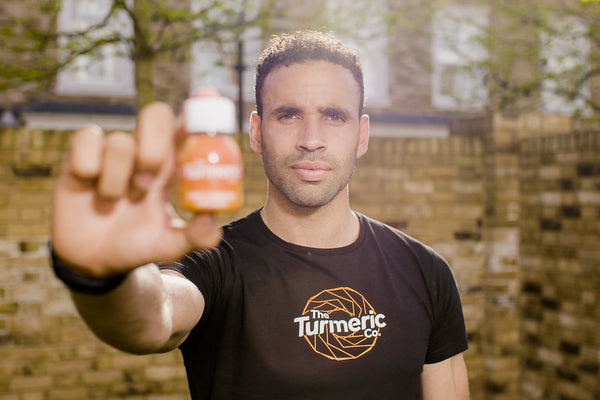
The Hal Robson-Kanu Guide To Fitness & Nutrition
Gain exclusive insight into habits that will make every day a healthy and fulfilling one.