


Type 'anti-inflammatory diet' into a search bar and you will quickly find miracle ingredients, forbidden-food lists and meal plans that promise to fix everything. The truth is less dramatic - but far more useful.
As a registered dietitian, I regularly see the term ‘anti-inflammatory diet’ used to promote miracle ingredients, restrictive food lists and plans that promise to fix everything. In my view, this often makes healthy eating feel far more complicated than it needs to be.
An anti-inflammatory way of eating does exist in principle, but it is not one official diet with a fixed set of rules. It is better understood as a long-term eating pattern that may help support lower levels of chronic, low-grade inflammation.
No single ingredient can switch inflammation off, and food is only one part of the picture. Sleep, movement, smoking, alcohol, stress, body composition, genetics and existing health conditions can all matter too. The most useful advice I can give is to focus on the overall pattern of your diet rather than searching for one food or supplement to do all the work.
What inflammation actually means
Inflammation is not automatically bad. Short-term, or acute, inflammation is part of the body's normal response to an injury or infection. It helps protect damaged tissue and begin the repair process. The redness around a cut or swelling after a sprain are familiar examples.
The concern is chronic, low-grade inflammation: immune activity that remains raised over time, sometimes without obvious symptoms. It is associated with a number of long-term health conditions, but it is not something most people can reliably diagnose from tiredness, bloating or aching alone. If symptoms are persistent, severe or unexplained, speak to a healthcare professional rather than trying to self-diagnose through a food checklist.
So, does an anti-inflammatory diet exist?
There is no universally agreed diet called 'the anti-inflammatory diet'. Researchers study different eating patterns, foods and nutrients, which makes the evidence more complicated than many online headlines suggest.
The strongest and most consistent model is a Mediterranean-style diet. A 2024 umbrella review of 27 articles and 30 meta-analyses found that, among the patterns studied in randomised trials, the Mediterranean diet produced the largest reduction in C-reactive protein, a marker used to assess inflammation. However, the authors rated the certainty of that evidence as weak. In other words, the direction is promising, but it does not justify miracle claims.
That nuance is important.
A sensible anti-inflammatory diet is not a cure, detox or short-term challenge. It is a familiar healthy eating pattern followed consistently enough to influence health over time.
What does an anti-inflammatory diet look like?
A Mediterranean-style eating pattern is rich in vegetables, fruit, wholegrains, beans, lentils, nuts, seeds, olive oil, herbs and spices. It also commonly includes fish, with smaller or less frequent amounts of red and processed meat, highly refined foods and foods high in saturated fat, salt or free sugars.
This overlaps closely with the NHS Eatwell Guide, which recommends at least five portions of varied fruit and vegetables a day, higher-fibre starchy carbohydrates, more beans and pulses, two portions of fish a week including one oily fish, and unsaturated oils in small amounts. The important word is 'overall': one meal does not make a diet healthy or unhealthy.

Anti-inflammatory foods to eat more often
1. A wider variety of fruit and vegetables
Different colours generally bring different combinations of fibre, vitamins, minerals and plant compounds. Berries, leafy greens, tomatoes, peppers, broccoli, citrus fruit and even the humble frozen pea can all play a part. Fresh is not the only option: frozen and tinned produce count too, ideally without lots of added salt or sugar.
2. Wholegrains and fibre-rich carbohydrates
Oats, wholemeal bread, brown rice, barley, wholewheat pasta and potatoes with their skins provide fibre as well as useful nutrients. They also help feed the communities of bacteria living in the gut. You do not need to remove carbohydrates to eat in an anti-inflammatory way; choosing less refined versions more often is usually the more practical step.
3. Beans, lentils, nuts and seeds
Pulses are an affordable source of fibre and plant protein, while nuts and seeds add unsaturated fats and minerals. Try adding chickpeas to a salad, lentils to a sauce, or a small handful of unsalted nuts to breakfast. These are ordinary changes, but ordinary changes repeated often are what shape a dietary pattern.
4. Unsaturated fats
Olive oil, rapeseed oil, nuts, seeds and avocado provide unsaturated fats. These can replace some of the saturated fat found in foods such as butter, fatty cuts of meat and many pastries. It is a swap, not an instruction to add unlimited oil to every meal.
5. Herbs and spices
Garlic, ginger, turmeric, cinnamon and herbs can add flavour while helping you rely less on salt-heavy sauces. They also contain a wide range of plant compounds. The realistic benefit comes from including them within a nutritious overall diet, not treating the spice rack like a medicine cabinet.
Which foods cause inflammation?
One of my biggest concerns with online advice about inflammation is how quickly individual foods are labelled as either ‘good’ or ‘bad’. Nutrition is rarely that clear-cut. What matters is how often a food is eaten, how much is consumed, what it replaces and the wider context of somebody’s health and overall diet.
A useful approach is to have foods high in saturated fat, salt and free sugars less often and in smaller amounts, while limiting processed meat and keeping alcohol within UK guidance. Highly processed products are a broad category: a fortified wholemeal loaf and a confectionery bar are both processed, but they do not have the same nutritional value. Look at what a product contains and what it regularly replaces in your diet rather than rejecting it because of a label.
You also do not need to ban gluten, dairy, tomatoes or so-called nightshade vegetables unless you have an allergy, a diagnosed condition such as coeliac disease, an intolerance, or personalised advice from a qualified professional.
Cutting out entire food groups without a clear reason can make a diet harder to follow and increase the risk of nutritional gaps.
What role can turmeric play?
Turmeric contains a group of plant compounds called curcuminoids, including curcumin. These compounds have attracted substantial research interest, but turmeric is not a shortcut around the rest of your diet.
The US National Center for Complementary and Integrative Health says that studies of turmeric and curcumin are difficult to compare because products and formulations vary, and that there is not yet enough evidence to draw definitive conclusions about their benefit for any health purpose.
That is a helpful reality check: turmeric can be one useful part of a varied diet, but no responsible article should present it as a treatment or cure.
Using turmeric in food is different from taking a high-dose or enhanced-absorption supplement. If you are pregnant, have a health condition or take medication - particularly medicines that affect blood clotting - speak to a doctor or pharmacist before using concentrated turmeric or curcumin products.

Can an anti-inflammatory diet treat a medical condition?
A nutritious eating pattern can support general health, but it should not replace prescribed medication or professional care. 'Inflammation' is involved in very different conditions, from rheumatoid arthritis to inflammatory bowel disease, and the best dietary advice is not identical for each one. During a flare, a food that is normally nutritious may even worsen symptoms for some people.
If you have a diagnosed inflammatory condition, unexplained weight loss, ongoing digestive symptoms, swelling, fever or persistent pain, ask your GP or specialist team for advice. A registered dietitian can help you adapt your diet without making it unnecessarily restrictive.
How to start an anti-inflammatory diet without overhauling your life
In practice, the best dietary change is rarely the most dramatic one. It is the change that fits into your life and can be repeated consistently. I would rather someone added beans to two meals each week or regularly chose wholegrain bread than followed a highly restrictive plan for ten days before abandoning it.
Add before you subtract
Start by adding one extra vegetable to your evening meal, a piece of fruit to breakfast or beans to a familiar dish. It is often easier to build a better pattern by increasing useful foods than by creating a long list of bans.
Make one regular swap
Choose wholegrain bread instead of white, olive or rapeseed oil instead of butter for some cooking, or lentils instead of part of the mince in a sauce. Pick the change you will actually repeat.
Plan around the week, not a perfect plate
The Eatwell Guide describes the balance to aim for across a day or even a week. That leaves room for meals out, celebrations and convenience food. Consistency matters; perfection does not.
Keep easy options available
Frozen vegetables, tinned beans, microwavable wholegrain rice, plain nuts and tinned oily fish can turn good intentions into a meal when time is short. Healthy eating does not have to look impressive on Instagram to count.
A simple anti-inflammatory day of eating
Breakfast: Porridge topped with berries, plain yoghurt and walnuts.
Lunch: A wholegrain wrap with hummus, chicken or tofu, and plenty of salad.
Dinner: Salmon with roasted vegetables and potatoes, or a lentil and vegetable stew with brown rice.
Snack: Fruit with a small handful of unsalted nuts.
This is an example, not a prescription. Portions and nutritional needs vary with age, activity, health and appetite, and the same principles can be adapted to different cultures, budgets and dietary preferences.
The bottom line
In my professional opinion, an anti-inflammatory diet does exist, but not as a strict plan, quick fix or list of miracle foods. The best-supported approach is a varied, Mediterranean-style eating pattern built around vegetables, fruit, wholegrains, pulses, nuts, seeds, unsaturated fats and fish.
That may not sound as exciting as a new superfood or detox, but it is far more realistic. The aim should not be dietary perfection. It should be building a nutritious pattern that you can maintain and enjoy over time.

Raw Turmeric Original Shot Box
Our Original Turmeric Shot packs a real punch thanks to a whopping 35g of fresh raw turmeric root used to make each shot.
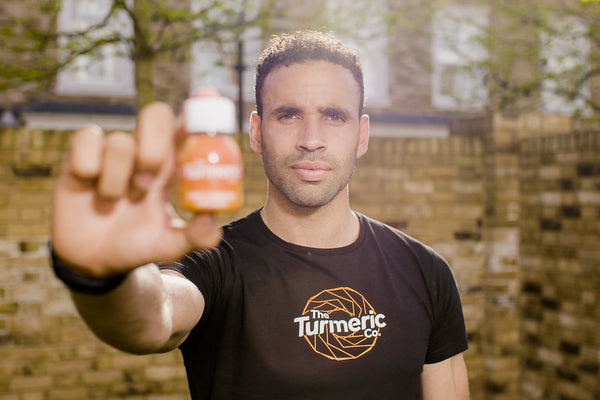
The Hal Robson-Kanu Guide To Fitness & Nutrition
Gain exclusive insight into habits that will make every day a healthy and fulfilling one.