


Beetroot shots sit in the same chiller as the ginger and turmeric ones, and they get bought for very different reasons: some people want a lower blood pressure reading, some want an extra few minutes on a long run, and plenty just like the earthy taste.
What is a beetroot shot? It's a small, concentrated serving of beetroot juice, drunk for its dietary nitrate. The best evidence is for blood pressure. In a London trial of 68 people with high blood pressure, 250ml of beetroot juice a day lowered clinic readings by 7.7/2.4 mmHg over four weeks.
Key takeaways
- A beetroot shot is a concentrated serving of beetroot juice, and the nitrate in it is the part the research is about.
- Your mouth does half the work. Friendly bacteria on your tongue turn nitrate into nitrite, which your body then uses to make nitric oxide.
- Blood pressure has the strongest evidence, from UK trials. Endurance has good evidence for longer, steady efforts.
- The effect builds within hours and lasts while you keep taking it, so it suits a daily habit.
- Pink wee afterwards is harmless. Anyone on blood pressure medicine, or who has had kidney stones, should speak to their GP or pharmacist first.
What is a beetroot shot, exactly?
It's beetroot juice in a small enough serving to drink in one go, usually somewhere between 60ml and 70ml.
A beetroot shot is defined as a single small serving of concentrated beetroot juice, often blended with other fruit, taken for its naturally high level of dietary nitrate. That's the whole reason the category exists. Beetroot is one of the richest everyday sources of nitrate, along with leafy greens such as rocket and spinach, and a shot is simply a convenient way to get a consistent amount.
The word "shot" covers a wide range, though. Some are close to pure concentrated beetroot, built to deliver a measured nitrate dose before exercise. Others, ours included, are blends where beetroot sits alongside other fruit and roots. Both are beetroot shots, and they're designed for different jobs.
How does the nitrate in a beetroot shot work?
Through a relay that starts in your mouth, which is the part most people find surprising.
When you drink beetroot juice, the nitrate is absorbed and a good share of it is recirculated into your saliva. Bacteria on the surface of your tongue convert it to nitrite, which your body can then turn into nitric oxide, a molecule that helps blood vessels relax.
You can see how much that oral step matters from what happens when it's switched off. In a Queen Mary University of London study of 19 healthy volunteers, antiseptic mouthwash cut the mouth's nitrite production by 90% and nudged blood pressure up by 2 to 3.5 mmHg. A Swedish study at the Karolinska Institutet found the same mouthwash effect after a nitrate drink, and its authors concluded that removing those bacteria would very likely blunt dietary nitrate's effects.
So if you use a strong antiseptic mouthwash every day, it's worth knowing that it may be working against your beetroot habit.
What is a beetroot shot good for?
Blood pressure first, then endurance, with the evidence strongest where the effort is long and steady.
The blood pressure work is largely British. Alongside the London trial above, which was funded by the British Heart Foundation, a Newcastle University meta-analysis of 16 trials found inorganic nitrate and beetroot juice lowered systolic blood pressure by an average of 4.4 mmHg. It also found a dose-response link: more nitrate, bigger fall. The diastolic figure, the lower number in a reading, didn't change significantly in that analysis.
On exercise, a University of Exeter dose-response study gave ten healthy men 70ml, 140ml, or 280ml of concentrated beetroot juice. The 140ml and 280ml doses let them keep going for 14% and 12% longer before reaching exhaustion, and doubling from 140ml to 280ml added nothing further. The smallest dose didn't change their exercise responses, which is a useful reminder that the amount of nitrate matters more than the label on the bottle.
A meta-analysis of 17 nitrate and exercise studies found a moderate benefit in time-to-exhaustion tests, where you hold a set pace for as long as you can. Time trials and graded exercise tests showed smaller effects that weren't statistically significant, which is why the evidence is strongest for steady efforts.
| What beetroot juice has been studied for | What the trials support |
|---|---|
| Blood pressure in people with hypertension | Clinic readings 7.7/2.4 mmHg lower after four weeks of daily juice |
| Systolic blood pressure, pooled trials | An average fall of 4.4 mmHg across 16 trials |
| Endurance at a steady effort | 12% to 14% longer before exhaustion at the higher doses |
| Time to exhaustion, pooled studies | A moderate improvement across 17 studies |
How much, and when should you drink it?
Two to three hours before you need it, and every day if blood pressure is the point.
The Exeter study found blood nitrite peaked around two to three hours after drinking, which is why sports protocols time it that way before an event. Our guide to beetroot for endurance covers those race-day amounts in detail.
For everyday blood pressure, timing matters less than consistency. Your body doesn't store nitrate for long, so the benefit lasts as long as the habit does. The London trial found no sign of the effect wearing off over its four weeks, which is the reassuring part: daily use kept working.
Two numbers keep it in proportion. The NHS guidance on what counts towards your 5 A Day suggests keeping fruit juice and smoothies to a combined 150ml a day, and a shot fits comfortably inside that. And on nitrate itself, EFSA's assessment of nitrate in vegetables concluded that the benefits of eating vegetables and fruit outweigh the potential risk from the nitrate they contain.
Is a beetroot shot safe for everyone?
For most people, yes, with one harmless side effect and two groups who should check first.
The harmless one is pink or red wee, sometimes pink stools too. It's called beeturia, and a University of Sheffield study notes it is said to affect around 10% to 14% of people. It comes from beetroot's natural pigments and is nothing to worry about, though red urine that carries on after you've stopped eating beetroot is worth showing your GP.
If you take blood pressure medicine, speak to your GP or pharmacist before adding a daily beetroot habit on top of your treatment. Lowering blood pressure is exactly what the trials measured, so it's worth someone who knows your medicines having a say.
If you've had kidney stones, the NHS advice on kidney stones is not to make changes to your diet without speaking to your doctor first, and a new daily juice counts.
Where does our beetroot blend fit?
As the everyday version, for people who want beetroot in a daily habit rather than a measured race-day dose.
In Raw Turmeric & Beetroot, beetroot makes up 19% of the bottle. It shares a cold-crushed, whole watermelon base with pomegranate, lemon, ginger root at 13%, and raw turmeric root at 10%, and adds vitamin C, thiamine, and our trade-secret BioMax Uptake Blend®, which includes black pepper. It's the blend we position for performance.
It's built as a shot you'd have every morning, which suits the blood pressure evidence, where the benefit depends on keeping it up. If you're preparing for a specific event and want to match the concentrated doses in the Exeter study, the protocols in our endurance guide are the ones to follow.
The turmeric half earns its place too. When elite footballers drank two Raw Turmeric Original shots a day in an independent Nottingham Trent University trial, the first clinical trial of our blends, they had lower inflammatory markers and less soreness after matches. We're clearly not a neutral party, and it's a small study in young athletes.
For more on what beetroot does as a food, see our guide to beetroot benefits, and for how beetroot shots compare with the rest of the category, what a wellness shot is.
The takeaway
A beetroot shot is a small serving of beetroot juice, and its value comes from dietary nitrate, which your mouth and body turn into nitric oxide. The trials support it for blood pressure and for steady endurance, and the benefit lasts as long as you keep drinking it. Skip the strong mouthwash, expect the odd pink surprise, and check with your GP if you're on blood pressure treatment.
Because the habit is the whole point, the easiest version is one you'll actually reach for every morning. Raw Turmeric & Beetroot puts beetroot, ginger, and raw turmeric root in one cold-crushed shot, and it takes about three seconds.
Frequently asked questions
What is in a beetroot shot?
Beetroot juice, usually concentrated, and often blended with fruit such as apple, lemon, or watermelon to soften the earthy taste. Read the ingredients for the beetroot percentage, because it varies a lot between brands and tells you more than the name on the front.
What does a beetroot shot do?
Its nitrate is converted, partly by bacteria in your mouth, into nitric oxide, which helps blood vessels relax. In trials that has lowered blood pressure and helped people keep going for longer during steady exercise.
When is the best time to drink a beetroot shot?
About two to three hours before exercise if you're using it for a session, since that's when blood nitrite peaks. For everyday use, any time works, as long as you take it daily.
Can you drink a beetroot shot every day?
Yes, for most people, and daily use is how the blood pressure trials worked. If you take blood pressure medicine or have had kidney stones, speak to your GP or pharmacist first.
Why has my wee turned pink?
That's beeturia, and it's harmless. Beetroot's natural pigments pass through some people's bodies intact. If your urine stays red after you've stopped eating beetroot, see your GP.
Does mouthwash stop beetroot working?
It may blunt it. Antiseptic mouthwash kills the tongue bacteria that turn nitrate into nitrite, and in one London study it cut nitrite production by 90%. Plain brushing is fine.

Raw Turmeric & Beetroot Shot Box
This Turmeric Shot fused with Beetroot is a real powerhouse of a shot.
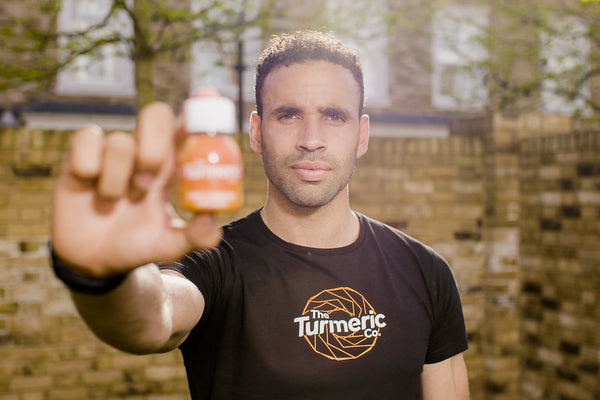
The Hal Robson-Kanu Guide To Fitness & Nutrition
Gain exclusive insight into habits that will make every day a healthy and fulfilling one.